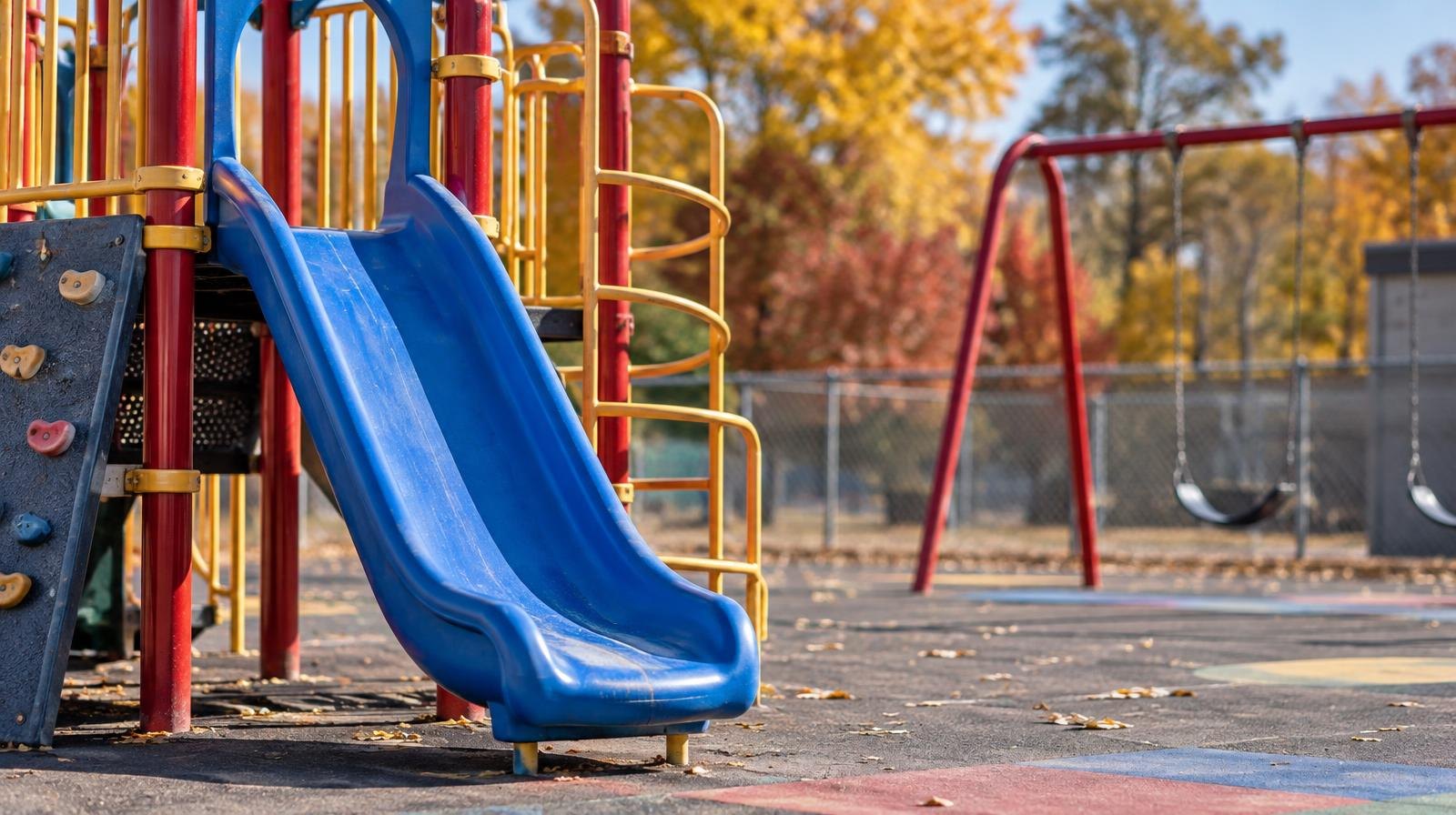
Fifth graders at Thurgood Marshall Elementary near Judkins Park lost five minutes of recess this fall, and their teacher says the difference is showing up in the classroom.
Brie Damitio, a teacher at the school, told The Seattle Times her students are noticeably more restless since recess dropped from 35 minutes to 30.
Students asked why the bell was ringing earlier. When Damitio surveyed her class, many reported feeling frustrated.
"They 100% notice these small shifts," Damitio said, according to the Seattle Times.
The change stems from a directive by Seattle Public Schools (SPS) Superintendent Ben Shuldiner ordering elementary principals to cap recess at 30 minutes to standardize instructional time across the district.
The schedule calls for two hours of English language arts (ELA), 90 minutes of math, 45 minutes of science and 33 minutes of social studies each day.
Combined with physical education, art and other required time, that leaves 30 minutes for recess and 20 for lunch.
As we reported Oct. 21, roughly a dozen schools sought waivers to keep longer breaks. The district has not announced the outcome of those requests.
About 75% of SPS elementary schools were already at 30 minutes of recess, according to The Bulletin, a Seattle education newsletter. Students at the remaining schools saw their break time cut this fall.
Some students took the issue into their own hands. A few in Damitio's class wrote a front-page article for the school newspaper, The Bullpup Times, investigating the shorter recess, the Seattle Times reported.
The debate reached local radio on Oct. 25. On KIRO Newsradio, host Gee Scott questioned whether a five-minute reduction could produce an obvious behavioral change, saying he respects teachers but doubted the link.
Co-host Ursula Reutin supported the push for consistency but suggested some schools or student populations could benefit from additional break time.
KIRO producer Andrew Lanier raised a practical concern: at schools where lunch and recess share a single block, five fewer minutes can mean students struggle to finish eating.
Not all parents oppose the policy. Jill Kendall, a parent of two children at Daniel Bagley Elementary near Green Lake, told the Seattle Times the equity argument resonated with her.
She said Shuldiner's observation that instruction varied widely between schools was striking.
Washington state law requires at least 30 minutes of daily recess for school days longer than five hours but encourages districts to exceed that minimum.
The Seattle Education Association won a 30-minute floor in its 2015 contract with SPS. Critics argue Shuldiner is treating that floor as a ceiling.
The district has not responded specifically to teacher observations from Thurgood Marshall. In a September letter to K-5 families, several top academic leaders said the district's goal was not to force a choice between play and learning. No public response addressing the impact on students with Individualized Education Programs (IEPs) or behavioral support needs has appeared in available records.
SPS has not released a school-by-school breakdown of which buildings lost recess time. Families can request that data under Washington's Public Records Act (RCW 42.56) through the district's public records office.