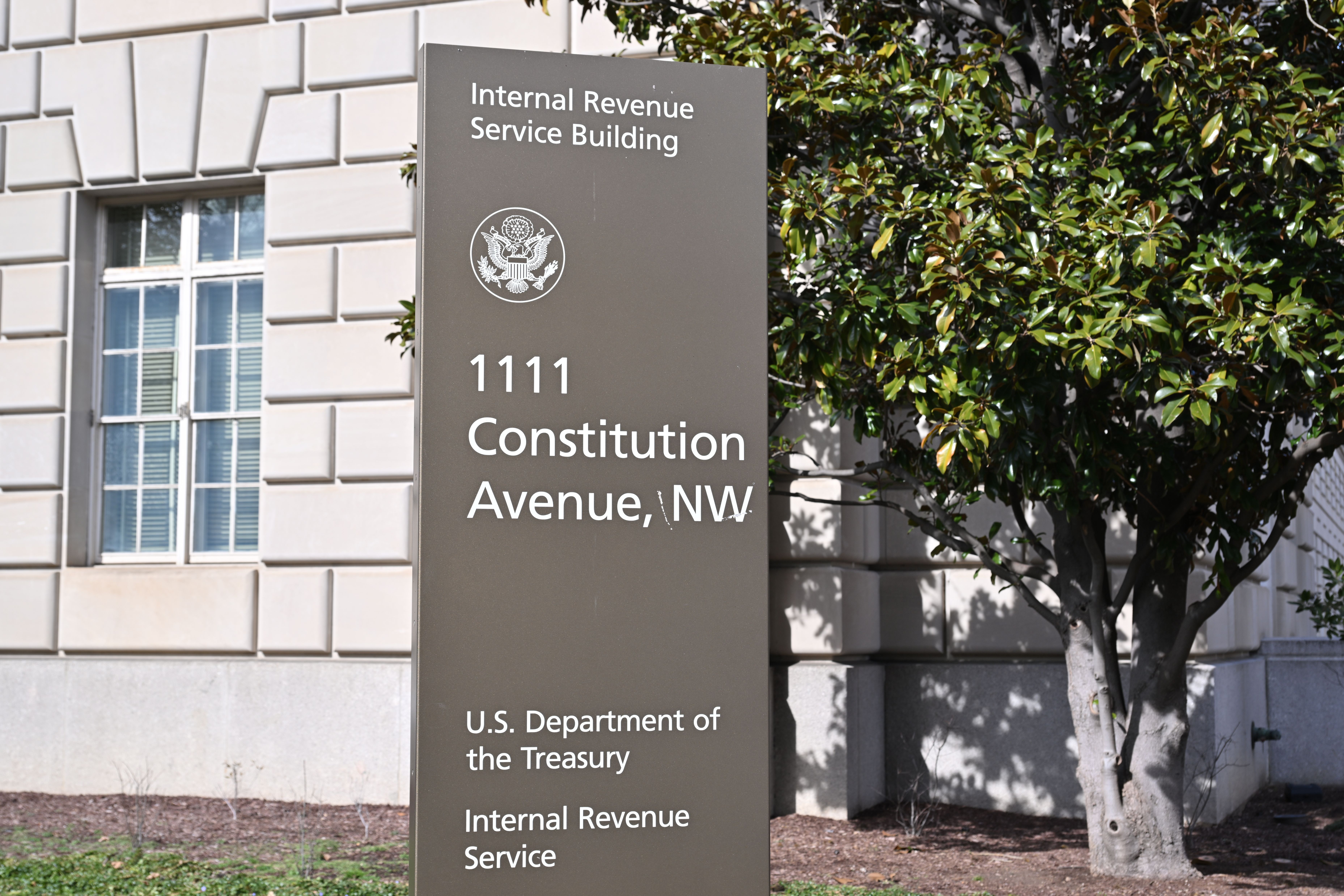
A proposed federal rule published Thursday, Sept. 3, could strip tax-exempt status from up to 18,000 private schools nationwide that offer race-conscious admissions or scholarship programs.
The U.S. Department of the Treasury and Internal Revenue Service (IRS) estimated the regulations could affect roughly 750,000 students who hold scholarships tied to race, ethnicity or national origin, the Seattle Times reported.
The rule covers private secondary schools, colleges, universities, professional schools and trade schools. It would also reach schools that do not receive federal funding, an expansion beyond existing civil rights enforcement.
Seattle-area private schools and universities that hold 501(c)(3) tax-exempt status fall within the rule's scope. No public response from Seattle-area institutions appeared in published reports as of Sept. 3.
The rule does not directly apply to public school districts like Seattle Public Schools, which are government entities and do not hold 501(c)(3) status.
What the rule would change
The regulations would delete previous IRS guidance that allowed schools to favor minority students in admissions, facilities, programs, scholarships and financial assistance.
The administration said it would define race-based support programs as a form of discrimination, citing the 2023 Supreme Court ruling in Students for Fair Admissions v. Harvard, which ended race-based affirmative action in college admissions.
Schools could still use race-neutral criteria when awarding admission or financial aid.
Permitted factors include family income, geographic location, first-generation student status, individual hardship, military family status and academic achievement, according to Accounting Today.
Religious schools would still be allowed to select students based on genuine religious affiliation.
The rule is not yet final.
Why tax-exempt status matters
Losing the exemption would not necessarily mean a school owes large federal income taxes. The bigger hit is to fundraising: the exemption allows donors to deduct contributions, and many donations are earmarked for scholarships. Marjorie Hass, president of the Council of Independent Colleges, said the change would most likely hurt donations, according to the Los Angeles Times.
The proposed rule adds to financial pressure the administration has already applied by withholding federal research funding from universities, the Seattle Times reported.
Opposition and legal challenges
Todd Wolfson, president of the American Association of University Professors (AAUP), called the proposal "blatantly racist political coercion intended to deny minority students reparative opportunities to further their education." The AAUP previously led a successful lawsuit against the administration's cuts to research funding at UCLA and is likely to file a legal challenge, according to the Seattle Times.
Ted Mitchell, president of the American Council on Education (ACE), said ACE will oppose the rule during the 60-day public comment period. The proposed regulations were published in the Federal Register as document 2026-18127.
The IRS aims for the finalized rules to take effect for taxable years beginning after May 31, 2027, according to Politico. Residents can submit comments through regulations.gov using that document number during the comment period.