Seattle students could face three times as many dark morning walks to school if Congress makes daylight saving time (DST) permanent, according to a University of Washington study published Oct. 29.
The study, first reported by The Seattle Times, found that Seattle students average about 18 dark commutes per year under the current clock-switching system. Under permanent DST, that number would jump to about 55.
About 60% of Seattle students never leave home before sunrise under the current system. Under permanent DST, every student would face some dark commutes.
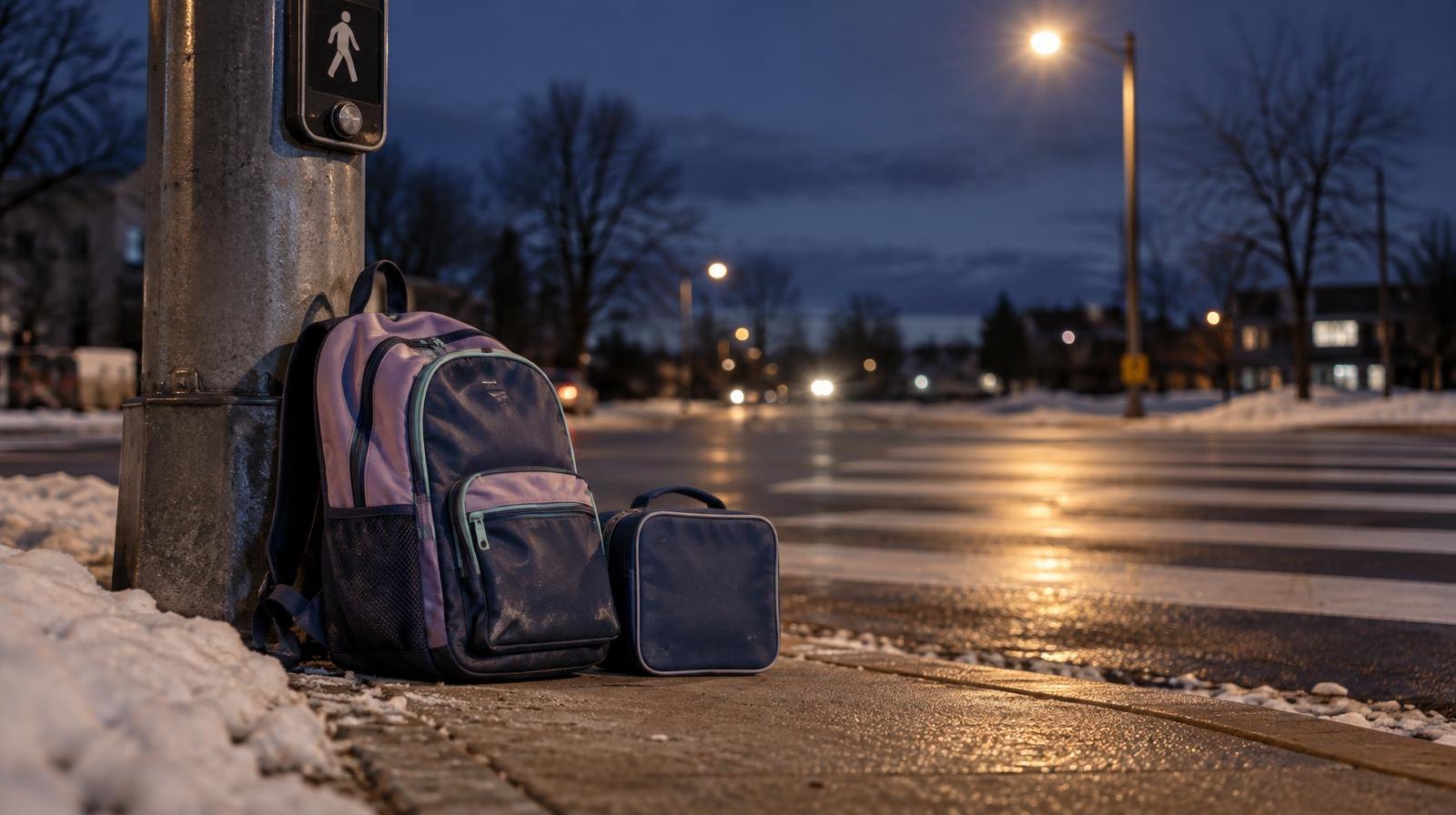
The stakes go beyond inconvenience. Fatal car crashes involving school-aged pedestrians are roughly twice as likely on dark mornings than after sunrise, the UW researchers determined from traffic collision data.
"We will have more children in that situation, exposing them to this higher risk," said Guadalupe Rodríguez Ferrante, a UW postdoctoral scholar in biology and the study's lead author.
The findings land days before clocks fall back Sunday, Nov. 1, and while a federal bill to lock the clocks forward sits stalled in the U.S. Senate.
The U.S. House passed the Sunshine Protection Act in July. Washington is one of 19 states that have preapproved permanent DST, pending federal action.
Early-start schools face the biggest hit
Several Seattle Public Schools elementary campuses already ring the opening bell at 7:55 a.m., according to the district's bell schedules.
That list includes Beacon Hill International, Dunlap, Emerson, Highland Park, Kimball, Roxhill and John Stanford International.
Students at those schools who leave home 20 minutes before the bell would be walking in full darkness on dozens of additional winter mornings.
The study assumed a 20-minute commute. Rodríguez Ferrante noted that many students arrive even earlier for breakfast programs, according to UW News.
That burden falls hardest on lower-income families. "The burden of permanent DST is likely greatest for children who walk, wait for buses, or arrive early for school breakfast programs, which disproportionately serve lower-income families," Rodríguez Ferrante said, according to Popular Science.
Statewide and national numbers
Across Washington's 1.05 million public school students, dark commutes could soar from about 20 million to 55 million trips annually, the Seattle Times reported.
Nationally, the researchers estimated at least 2 billion additional dark school commutes per year.
Senior author Horacio de la Iglesia, a UW biology professor, called the study "a tangible measure of how bad it's going to be." De la Iglesia helped persuade Seattle Public Schools to push high school start times from 7:50 a.m. to 8:45 a.m. about a decade ago.
A 2018 UW study of Roosevelt and Franklin high school students found that later start times produced a median 34 extra minutes of sleep per night and a 4.5% boost in grades.
The researchers argue permanent DST would undo those gains by depriving teenagers of morning light that helps regulate circadian rhythms, mood, sleep and appetite.
De la Iglesia supports making standard time permanent instead. That option could cut Washington's dark commutes by about 5 million trips annually, per the study.
A familiar debate with no party line
The issue cuts across party lines. President Donald Trump and Sen. Patty Murray, a Democrat, support the bill.
Democratic Reps. Pramila Jayapal and Adam Smith voted against it, as did Republican Rep. Dan Newhouse, the Seattle Times reported.
The U.S. tried year-round DST once before. Congress enacted it in January 1974 but ended the experiment that October, largely because of concerns about children heading to school in the dark.
The study was published in the journal Current Biology. No public response from Seattle Public Schools administration or any school board member appears in the available record.