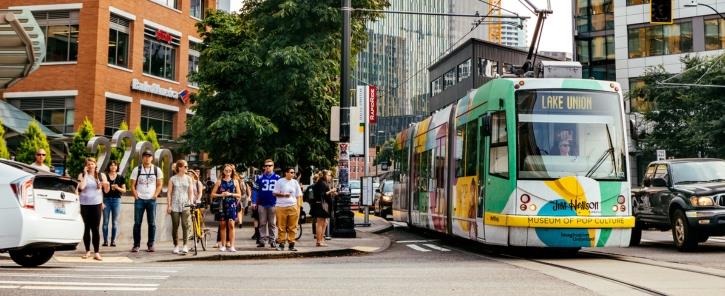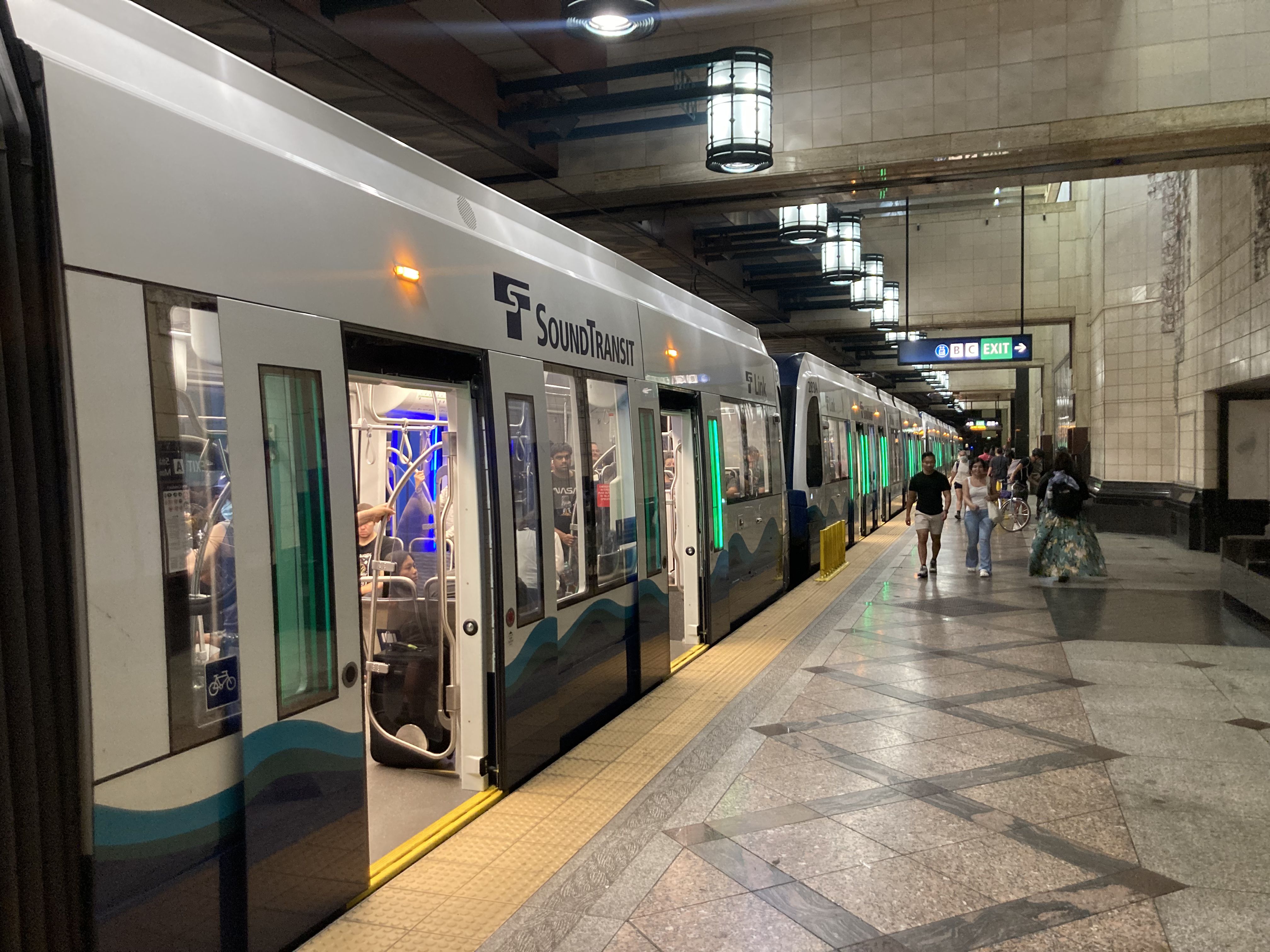
Westlake Station averaged 19,458 daily boardings in August, more riders than the entire 12-station East Link segment combined, according to Sound Transit ridership data analyzed by The Urbanist.
Eight of the system's 10 busiest stations sit in Seattle. SeaTac Airport ranked second, and Federal Way Downtown rounded out the top 10. The pattern held through the fall: about 65% of all ridership passed through those top 10 stations, with the remaining 16 stations splitting 35%.
For Ballard and Queen Anne residents still waiting for light rail, the numbers underscore what they already feel. Seattle carries the system. The extension to their neighborhoods keeps slipping further away.
Eastside ridership lags behind
The 2 Line opened across Lake Washington on March 28, connecting Bellevue and Seattle by rail for the first time. The expansion helped Sound Transit become the most-ridden light rail system in the country, surpassing Los Angeles.
But the Eastside portion has not kept pace. The South Bellevue-to-Downtown Redmond segment averaged about 14,000 daily boardings in June, then dropped to 11,330 in August after a World Cup ridership bump faded, The Urbanist reported.
Downtown Bellevue led Eastside-only stations with 2,541 daily boardings in August. East Main managed just 480.
Sound Transit cannot yet separate 1 Line and 2 Line ridership at stations where both lines stop. Spokesperson Henry Bendon told The Urbanist the agency's stats team is "actively working on" that capability.
Ballard extension: 2042 at best, 2060 at worst
When voters approved the Sound Transit 3 (ST3) tax package in 2016, the full Ballard Link Extension was promised by 2035.
The latest timeline puts the Market Street-to-Seattle Center segment opening no earlier than 2042, according to KOMO News. If the agency cannot close funding gaps, that date could stretch to 2060.
The project would add 7.7 miles of light rail from SODO to Ballard, including a new downtown tunnel and as many as nine stations.
Sound Transit has committed $18.1 billion to the corridor so far. To hit 2042, the agency needs roughly $1 billion for property acquisition by 2030, a final design by 2032 and full construction funding by 2033.
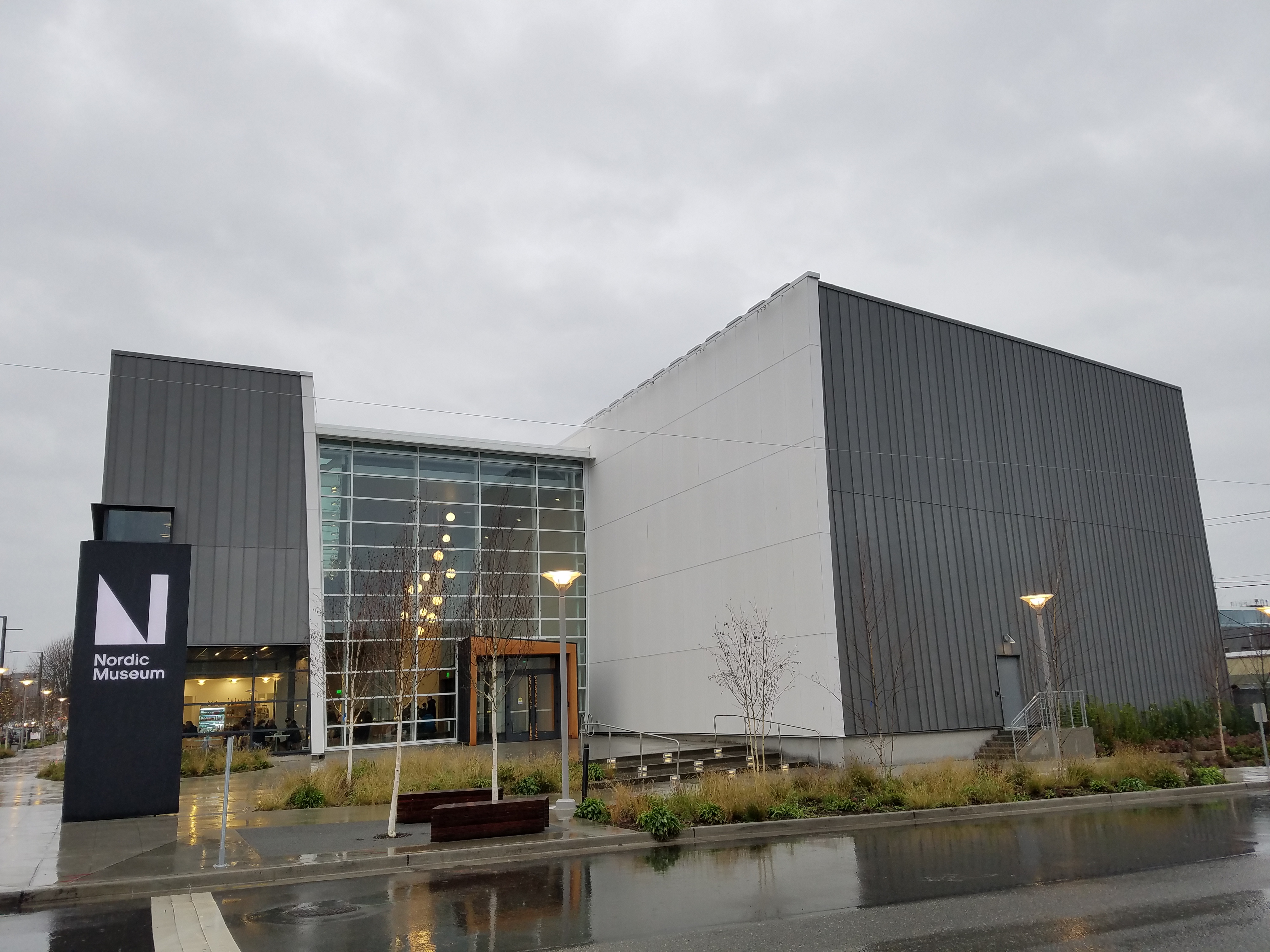
More than 300 people packed the National Nordic Museum in Ballard on Oct. 19 for a community forum hosted by District 6 Councilmember Dan Strauss, who also sits on the Sound Transit board, My Ballard reported. Seattle Mayor Katie Wilson also attended.
Jonatan Gonzalez, who leads the advocacy group Save Ballard Rail, said the forum did not deliver the specifics residents wanted. "We see a roadmap, but a roadmap isn't a plan," Gonzalez told My Ballard. "So when are we going to hear the concrete plan for filling in that gap?"
Save Ballard Rail has asked Sound Transit to bring a funding plan to the Washington Legislature. The group has pointed to 75-year bonds and a higher debt ceiling as tools that could accelerate the project.
System holds steady, but gaps remain
Systemwide, September daily boardings came in just shy of 150,000 on the 1 Line corridor and nearly 15,000 on the 2 Line's exclusive segment. That is down moderately from a June peak of 178,264 daily boardings during World Cup matches.
The West Seattle Link extension is projected to open by 2035, according to The Urbanist. That project reached 30% design over the summer. No other major light rail openings are planned before then, aside from a possible Graham Street infill station around 2031.
Sound Transit board chair Dave Somers said at the October forum that the agency wants to deliver the full ST3 system. Gonzalez was less reassured. "By breaking that promise, I worry that if [Sound Transit] says, actually we need to raise funds, we need to raise taxes, it would be difficult for that to pass," he told My Ballard.