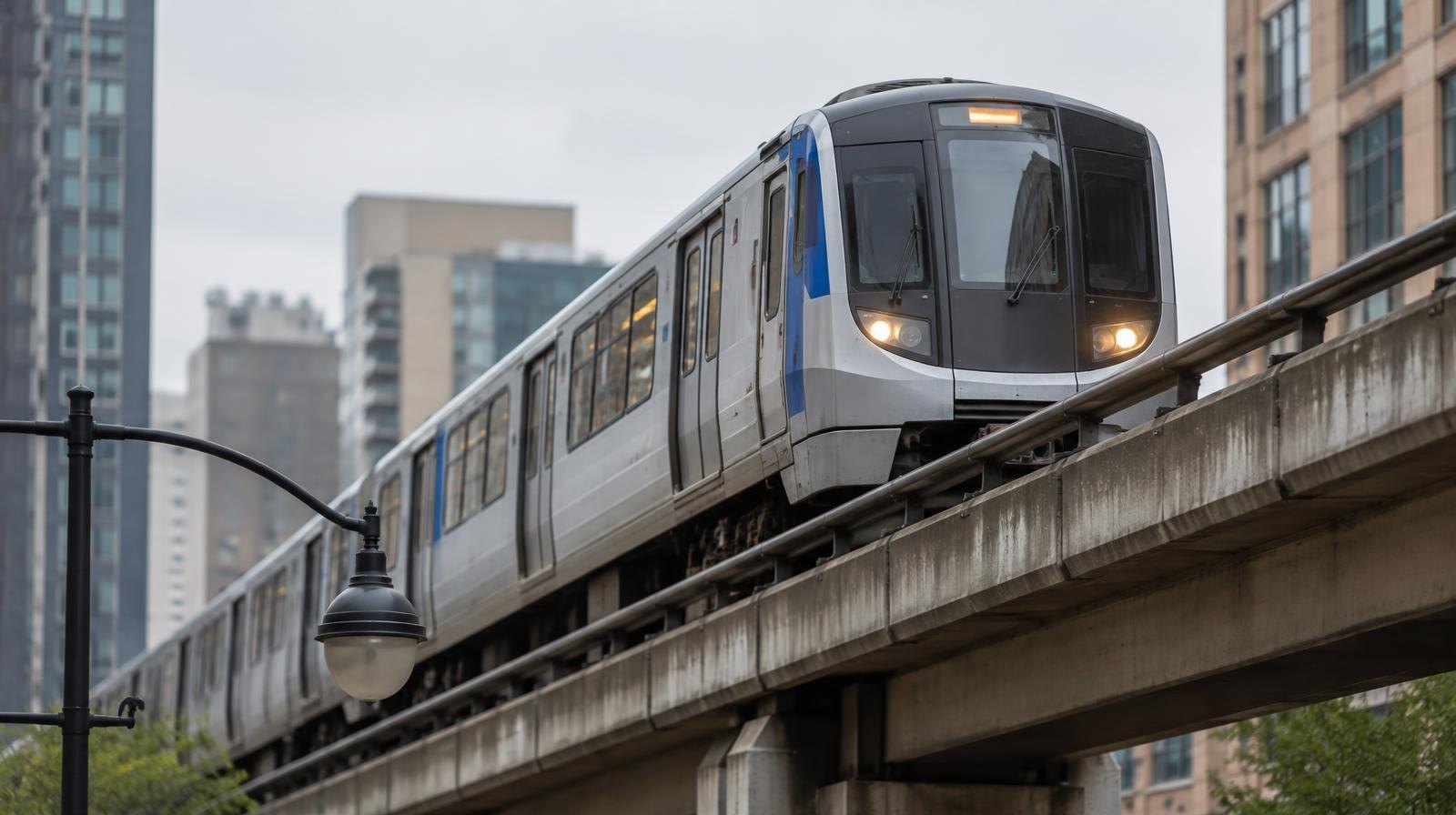
Ballard residents could wait until 2060 for light rail to Market Street. And the process Sound Transit launched to find cheaper alternatives is drawing fire from the engineers and advocates who pushed for it.
Sound Transit extended the deadline for its Request for Information (RFI) on cost-saving ideas for the Ballard Link Extension from Oct. 5 to Monday, Oct. 12. The RFI, which also covers the Everett Link and Tacoma Dome Link extensions, invites engineering firms to propose strategies using innovative technologies to reduce costs or speed delivery, as The Urbanist reported.
But engineers and transit advocates, including former Seattle Department of Transportation director Scott Kubly and civil engineer Travis Henderson, say the RFI is too narrow to produce real alternatives. The document instructs respondents they "must be mindful of the existing project definition and eschew strategies that could further jeopardize the project timeline." Because Sound Transit has never formally studied elevated rail through downtown Seattle, that option falls outside the project definition and is effectively off the table.
A $7 billion to $9 billion gap
The Ballard Link Extension faces a funding shortfall of roughly $7 billion to $9 billion. The Sound Transit Board voted 16-2 on May 28 to label the final segment from Seattle Center to Market Street as "not currently affordable," leaving stations at Smith Cove, Interbay and Ballard's Market Street unfunded. The best-case opening for the full line is 2042. The worst case pushes Interbay and Ballard stations to around 2060, according to The Urbanist.
Kubly and transportation planner Trevor Reed proposed converting Ballard Link to an automated light rail system with shorter trains and stations, modeled on the Copenhagen Metro. Henderson pitched a separate elevated rail alternative for the downtown segment. Using Sound Transit's own figures, Henderson estimates it could save roughly $10.3 billion compared to the planned deep-bore tunnel.
Critics say the process validates the status quo
Kubly and Reed told The Urbanist the RFI was structured to confirm Sound Transit's existing approach. They said the agency did no industry outreach beforehand, barely publicized the solicitation and gave firms an "extremely abbreviated response period" that was "almost guaranteed to validate their current approach."
Sound Transit issued the RFI on Sept. 2 but did not publicize it until the agency's Sept. 11 press release. Respondents initially had less than 30 days to reply.
Sound Transit deputy executive director for enterprise planning Alex Krieg wrote an internal memo in April responding to the Kubly-Reed automated rail proposal. The agency did not share it with the authors or the public until June 12, after the board's May 28 vote. In the memo, Krieg said tunnel depths on Ballard Link are driven by the need to route around existing building foundations and major utilities, not by station size.
Henderson, whose elevated rail proposal has been endorsed by Seattle Subway, Transit Equity for All and several other transit groups, argued the current plan is the real risk. He wrote that declining to study an alternative with $10 billion in potential savings because the analysis might cost tens of millions "is institutional inertia, a sunk-cost fallacy that completes the paperwork for a tunnel Sound Transit cannot afford to build."
No public response from Sound Transit addressing the criticism of the RFI's scope appears in available records.
What's next
Seattle City Councilmember Dan Strauss, who represents District 6 including Ballard and sits on the Sound Transit Board, said in Sound Transit's Sept. 11 press release announcing the RFI that the board needs to "leave no stone left unturned to find cost savings, efficacies, and international best practices that will get light rail to Ballard faster and cheaper."
RFI responses are due by 5 p.m. Monday, Oct. 12. A community forum on the Ballard Link Extension is scheduled for Oct. 19 from 6 to 8 p.m. at the National Nordic Museum's Osberg Great Hall, 2655 NW Market St.