Every registered voter in King County will still receive a mail ballot for the Nov. 3 midterm election. That hasn't changed.
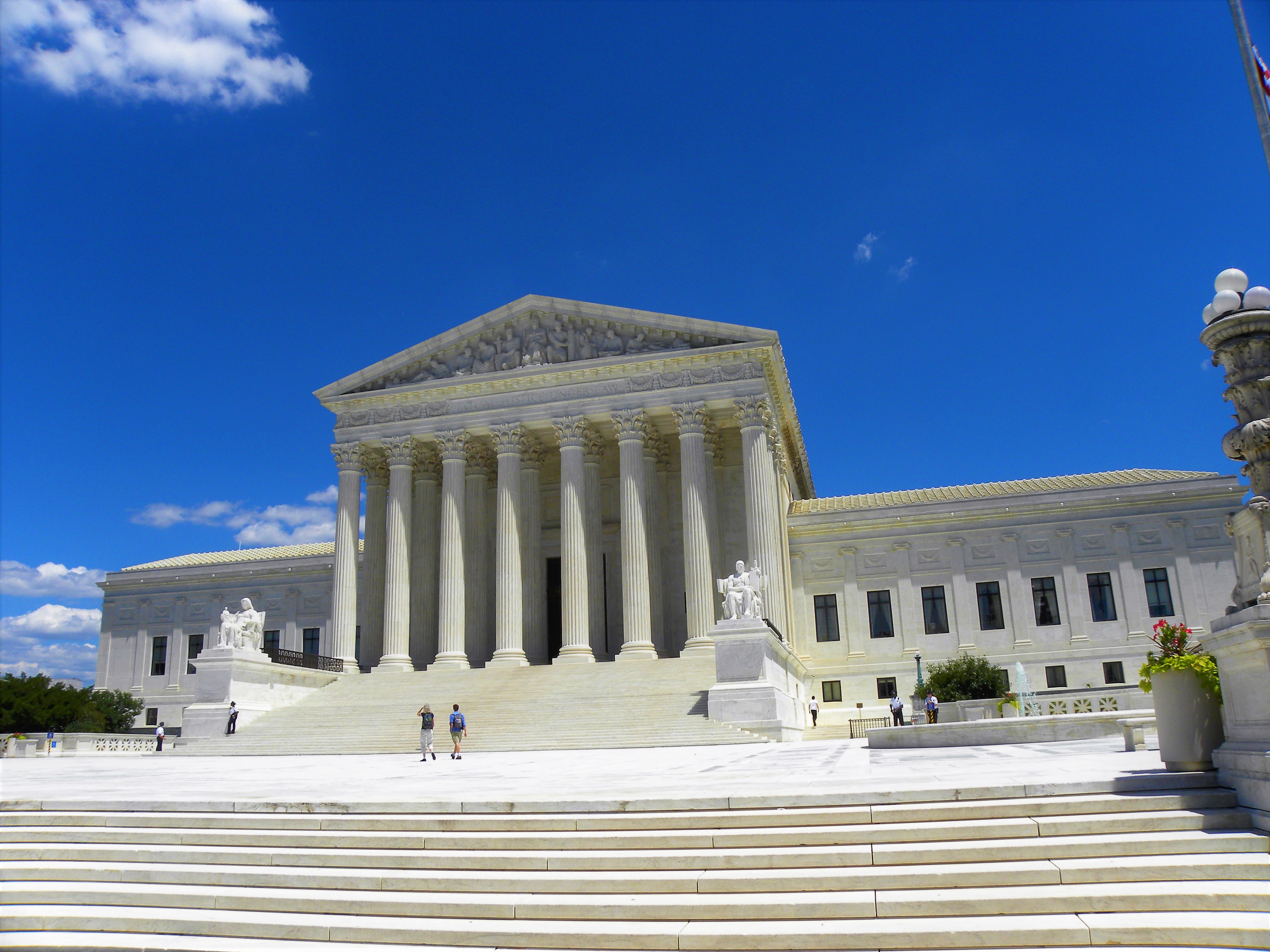
But the legal wall protecting Washington's vote-by-mail system got thinner on Aug. 25, when the U.S. Supreme Court ruled 6-3 that a 23-state coalition plus Washington, D.C., lacked standing to challenge President Trump's executive order restricting mail-in voting.
The court found the states sued too early because the order had not yet been fully implemented.
A second, separate nationwide injunction, issued Aug. 11 by U.S. District Judge Indira Talwani in Boston in a lawsuit brought by the League of Women Voters, still blocks the U.S. Postal Service from carrying out any changes before November. The Supreme Court did not touch that order.
Hours after the Aug. 25 ruling, the Trump administration filed a motion asking Judge Talwani to lift the second injunction too.
What the order would do
Trump's executive order, signed March 31, directs the Department of Homeland Security to build state-by-state lists of eligible voters, requires the Postal Service to deliver mail ballots only to voters on those lists, mandates new federally standardized return envelopes with tracking barcodes and threatens noncompliant election officials with prosecution and loss of federal funding.
Washington is one of eight states that automatically mails ballots to every registered voter. All 39 counties have voted entirely by mail since 2011.
'Don't freak out'
Washington Secretary of State Steve Hobbs told KIRO Newsradio on Aug. 25 that he expects a new injunction to be filed "very soon" now that the Postal Service's 95-page final rule, published Aug. 22, gives challengers firmer legal ground.
"Don't freak out, because there will be an injunction that'll be filed really soon, and I believe that this November election will not be affected," Hobbs said.
Hobbs also flagged a practical problem: counties have already printed their ballot return envelopes for the Oct. 16 mail date.
Replacing them with a new federally approved design before that deadline would be "nearly impossible," he said. He added that Washington's address confidentiality program, which shields domestic violence victims' addresses from public records, creates another conflict with the federal plan's demand for voter data.
The legal landscape
The Supreme Court's unsigned majority opinion stated that its ruling "does not mean that any measure taken by the Government to implement the Order will necessarily be lawful. On that score, time will tell."
The court said states may sue again once the Postal Service rule harms them.
Justice Ketanji Brown Jackson wrote in a separate dissent that the ruling "needlessly injects chaos and uncertainty into the upcoming midterm elections" and warned the administration might "game the system" by running out the clock on legal challenges.
Danieli Evans, assistant professor of law at the University of Washington School of Law, said the court addressed only procedural standing, not the order's legality.
"There is no power granted in the constitution to the president to determine the time, place and manner of holding elections or the process for holding elections," Evans told KIRO 7.
Washington Attorney General Nick Brown, who co-led the 23-state coalition with Oregon, said the ruling "does not bless the substance of the president's actions, it simply says states must wait slightly longer to challenge them."
What's next
King County Elections said in June it was already working to add up to eight more ballot drop boxes ahead of November. Kendall Hodson, chief of staff for the office, called the Postal Service's proposed rule "unnecessary and problematic" at the time.
Ballots are scheduled to go out Oct. 16. The Nov. 3 election is 69 days away. A separate June 2026 Supreme Court ruling preserved Washington's ability to count ballots postmarked on or before Election Day and received up to 20 days later.
The next move belongs to Judge Talwani in Boston.