Most of the engineers at Redmond-based NomadGo spent the spring updating their résumés after a single phone call from Starbucks wiped out the startup's anchor contract and triggered layoffs across the 30-person company.
The April 3 termination came nine months after Starbucks deployed NomadGo's AI inventory tool in all 11,300 company-operated North American stores.
The inside story of the collapse, detailed in a Fast Company investigation and summarized by GeekWire on Monday, July 27, shows how quickly a Fortune 500 pivot can gut a small tech firm in its orbit.
From 10 minutes to zero
NomadGo, founded in 2017 by CEO David Greschler, a former Microsoft director, and co-founder Jonah Friedl, built computer-vision software that turned iPad Pros into inventory scanners.
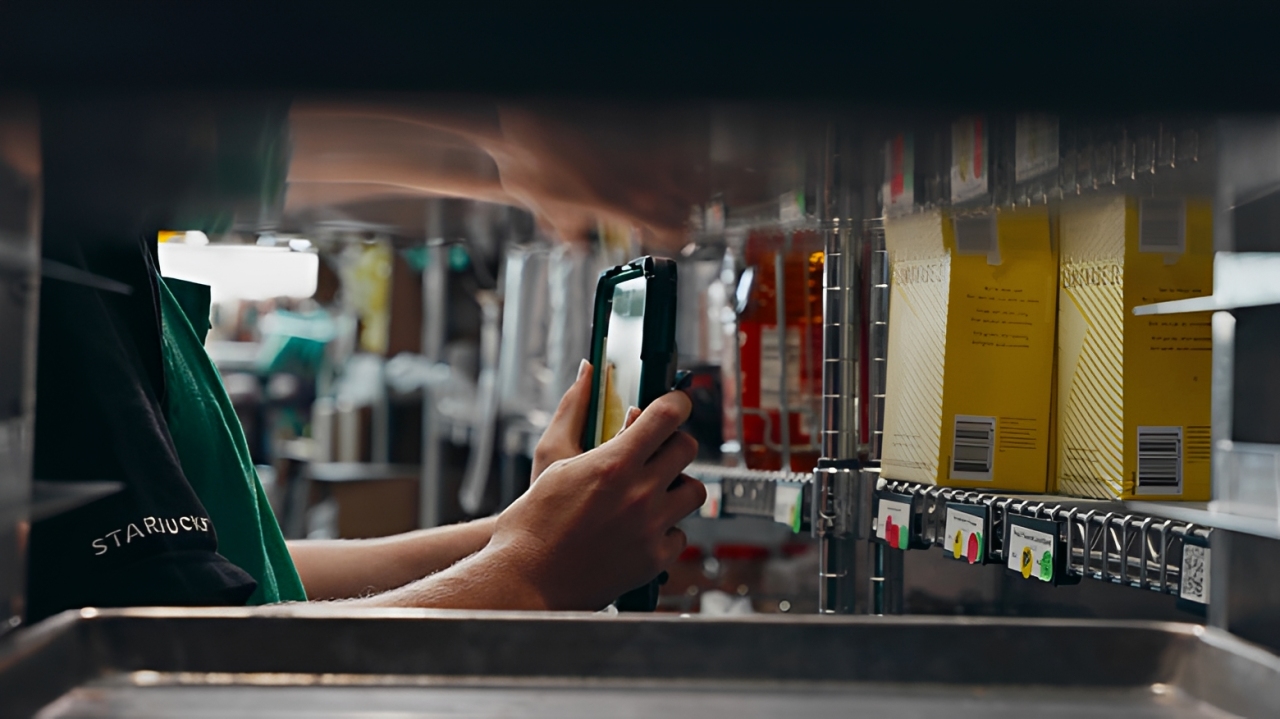
Wave a tablet at a backroom shelf and AI counts the coffee bags, milk cartons, and syrup bottles in minutes instead of the hour it took baristas by hand.
Starbucks announced the national rollout on September 3, 2025. NomadGo had raised just $5.6 million across three seed rounds from Cercano Management, Flying Fish Partners, and Fitz Gate Ventures. The company said it was processing more than 1 million items daily for one of the world's most recognizable brands.
Glitches at scale
The problems started almost immediately. Shiny refrigerator surfaces doubled milk counts. The app confused syrups with trash cans. Stores with spotty Wi-Fi lost entire scans mid-count. NomadGo's vision system hit 99% accuracy in controlled tests, but real-world stores broke it. Seasonal packaging changes required up to six weeks of retraining, and NomadGo developers sometimes learned about new holiday cups only after they appeared on shelves.
Underneath it all sat Starbucks' legacy IBM AS/400 backend, a system dating to the 1990s that struggled to relay real-time data to cutting-edge AI.
The call
On Friday, April 3, Starbucks told NomadGo the contract was done. "A complete surprise," Greschler told Fast Company. "There's nothing you can do when leadership and strategy change."
Within days, NomadGo laid off a large portion of its workforce, including the technical team that had managed the Starbucks integration. Six weeks later, on Monday, May 18, Starbucks instructed baristas to peel QR codes off backroom shelves and return to manual counting.
The bigger Starbucks picture
The cancellation fits a pattern. Under CEO Brian Niccol, who joined in September 2024 from Chipotle, Starbucks has cut roughly 2,300 corporate jobs since February 2025, including 61 tech positions at its Seattle headquarters. CTO Deb Hall Lefevre resigned in September 2025; her replacement, Amazon veteran Anand Varadarajan, arrived in January 2026 with a mandate to cut costs.
The Seattle Times reported that Starbucks is now building in-house AI tools to replace third-party software from Microsoft and IBM, targeting about $30 million in total enterprise technology budget cuts this fiscal year.
A Starbucks spokesperson said the company invested $500 million to put more employees in coffeehouses and described the Automated Counting retirement as listening to feedback and changing course.
What it means locally
NomadGo's website remains live, marketing its inventory AI to food, beverage, and retail customers. The company has not announced a shutdown. But with its anchor client gone and most of its team laid off, the path forward is unclear.
Meanwhile, Seattle-based competitor Augmodo raised $21 million in July at a $350 million valuation for its own AI-powered retail inventory system, suggesting the market NomadGo helped pioneer isn't dead.
The difference: Augmodo has diversified beyond a single customer.
NomadGo's remaining staff and laid-off engineers across the Eastside now face a tech job market shaped by the same corporate cost-cutting that ended their contract.