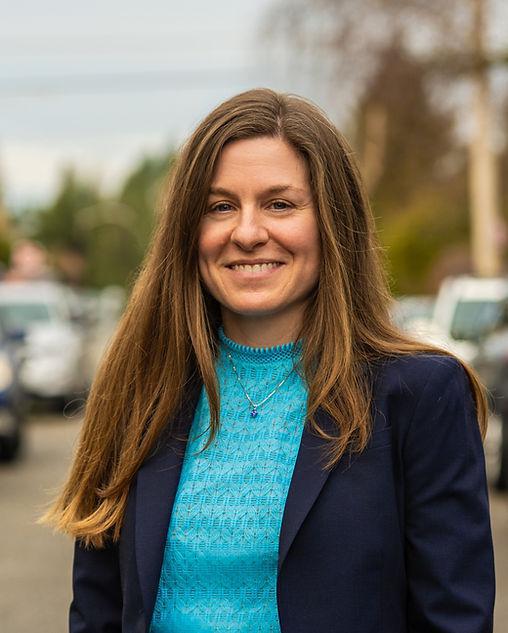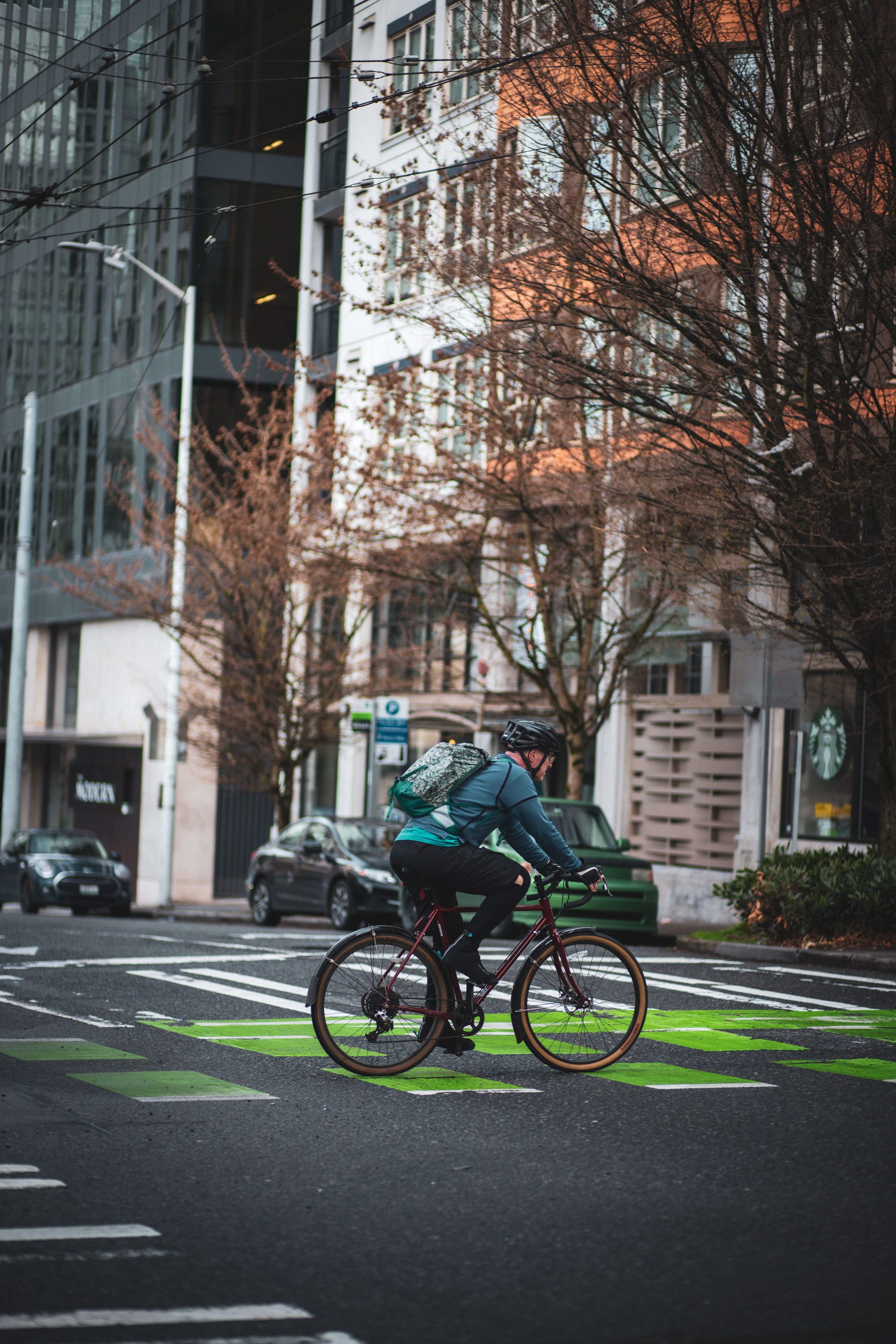
Seattle cyclists and pedestrians on streets from Ballard to Beacon Hill could see faster city responses after fatal crashes, more visible intersections and safer trucks on construction projects under a three-bill legislative package introduced Wednesday by District 1 Councilmember Rob Saka.
The Seattle SAFER Streets Act, announced Aug. 19, would write the city's Vision Zero traffic-safety commitments into law rather than leaving them as administrative policies that could be rolled back.
Seattle launched Vision Zero in 2015 with a goal of eliminating all traffic deaths and serious injuries by 2030. The city's own data show deaths have not declined as hoped.
Saka, who chairs the council's Transportation, Waterfront and Seattle Center Committee, built the package around five priorities: requiring proven safety measures such as expanded intersection daylighting, accelerating post-fatal-crash responses, using city contracting power to mandate side guards on trucks working municipal projects, empowering SDOT safety leaders to act faster and embedding Vision Zero reviews into transportation projects.
The legislation is still being finalized and is expected to be introduced formally by Saturday, Aug. 22. The committee is scheduled to receive a briefing on the draft package Friday, Aug. 21, at 9:30 a.m. in the council chamber.
Roots in a fatal crash
The legislation traces directly to community pressure after bicyclist Maridee Bonadea was killed on SW Wildwood Place near the Fauntleroy ferry dock in June. At a public forum organized by the Fauntleroy Community Association on Aug. 12, Saka called the situation "sobering stuff" and said he was developing broader traffic-safety legislation addressing daylighting, truck side guards and mandatory Vision Zero reviews.
Those elements now form the core of the SAFER Streets Act. SAFER stands for Safe, Accountable, Flexible, Equitable and Responsive.
Who supports it
Rita Hulsman, a West Seattle resident whose husband Steve was killed by a motorist, said she worked with Saka's office on the legislation. "Every traffic fatality leaves behind family members whose lives are forever changed, and we cannot accept preventable deaths as the cost of getting around our city," Hulsman said in the council's announcement.
The Cascade Bicycle Club, the Seattle Building Trades Council and progressive organizer Russell McQuarrie-Means also endorsed the package.
What's still unknown
The council's announcement describes the act as "first-of-its-kind" but does not specify what distinguishes it from traffic-safety ordinances in other cities. No specific bill numbers or ordinance text have been released. The city has not published a current traffic fatality count for 2025 or 2026.
Earlier in 2026, Saka requested a performance audit of Seattle's Vision Zero initiative.
The finalized bills are expected by the end of this week. A committee vote has not been scheduled.