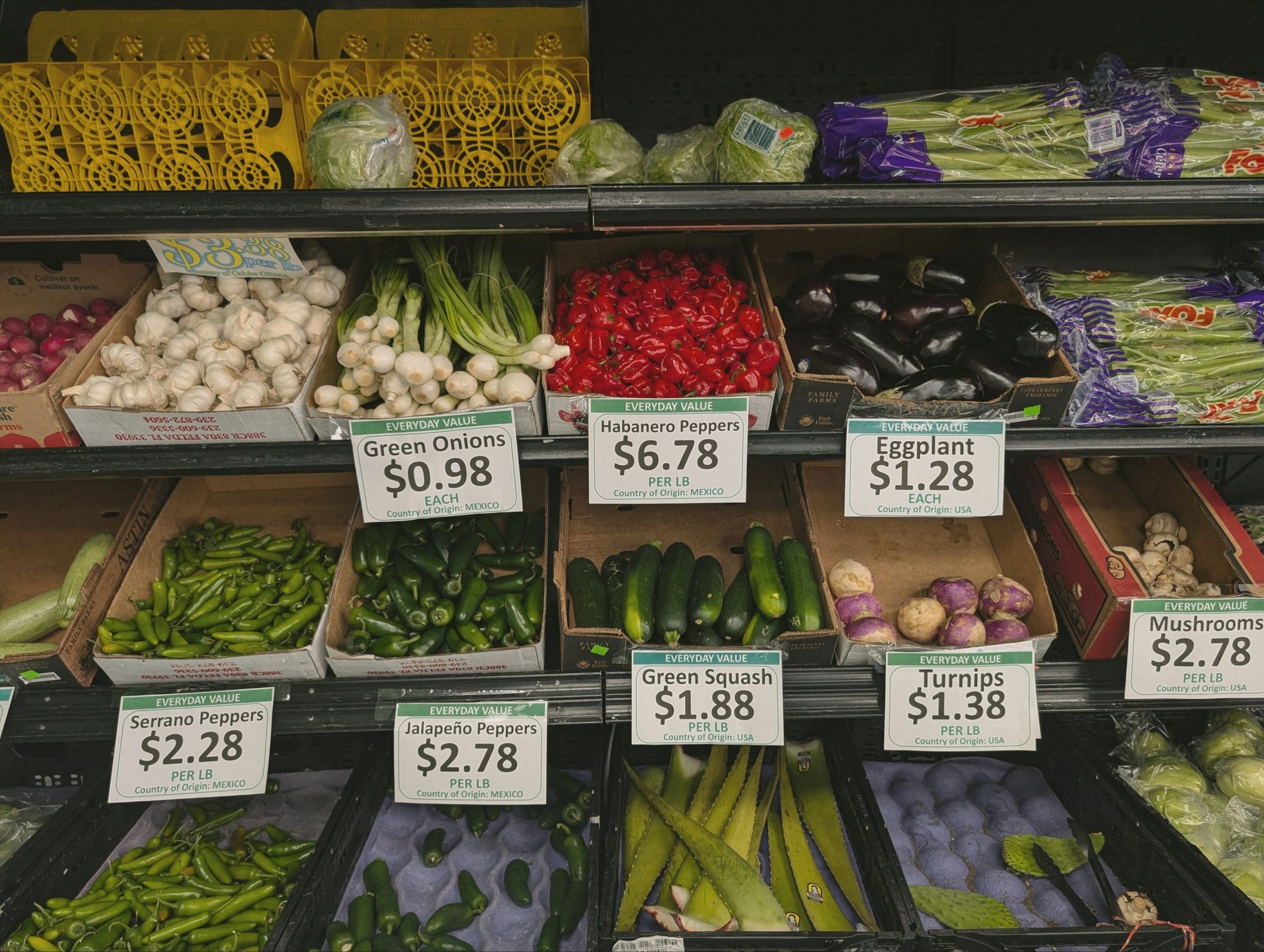
Starting Sept. 1, 2027, grocery shoppers in Queen Anne, Ballard and across Seattle will have a new legal shield against data-driven price manipulation.
Mayor Katie Wilson signed the Fair and Transparent Pricing ordinance, making Seattle the first city in the country to ban large grocery retailers from using customers' personal data to charge different prices for the same product.
The Seattle City Council approved the measure 7-2 on Sept. 22. Councilmembers Bob Kettle and Maritza Rivera cast the dissenting votes.
The law, according to The Seattle Times, prohibits chains with 20 or more locations worldwide and large delivery services such as Amazon and Instacart from using personal information to set individualized prices.
That includes race, gender, browsing history, social media activity and AI chatbot conversations. The pricing restrictions also cover diapers, hygiene products and over-the-counter medication.
Traditional coupons, senior discounts, veteran discounts and loyalty-program deals remain legal under the ordinance, according to the mayor's office.
City Attorney Erika Evans' office will enforce the law with the power to subpoena records and recover enforcement costs. Residents can also file private lawsuits against violators.
"Coupons are protected here," Evans said at the signing ceremony, adding that the rule is about transparency and not letting artificial intelligence dictate grocery prices.
Kettle, Rivera voted no
Councilmember Alexis Mercedes Rinck led the bill after a Washington state version died in the Legislature. Co-sponsors included Councilmembers Dionne Foster and Rob Saka.
Kettle, who represents District 7 covering Queen Anne, Magnolia, Belltown and Pioneer Square, voted against the measure. He said he could personally afford higher prices but worried the regulation would hurt disadvantaged shoppers who rely on discounts, according to MyNorthwest.
Rivera, who represents District 4, said in a statement that she supports banning algorithmic pricing but fears the ordinance is too broad. She argued it could make groceries more expensive and said the issue should be handled at the state level so Seattle does not lose grocery stores to neighboring jurisdictions.
Industry pushback
The grocery industry fought the ordinance. Safeway stores across Seattle posted in-store warning signs directing customers to an industry-backed campaign website called "Protect Seattle Savings." The campaign claimed families could lose an average of $100 a month in discounts, The Center Square reported.
Amanda Dalton, president and CEO of the Northwest Grocery Retail Association, which represents 455 retailers in Washington, called the ordinance too broadly drafted. She said it could jeopardize loyalty programs and discounts, according to KOMO News.
A 2025 Consumer Reports investigation found that algorithmic pricing on Instacart resulted in price differences of up to 23% for the same groceries. Consumer Reports served as a technical advisor to the city in developing the ordinance. Instacart maintains it does not conduct surveillance pricing.
The Federal Trade Commission released research in early 2025 describing the use of personal data for individualized pricing as a "shadowy ecosystem," according to The Urbanist.
No enforcement milestones or rulemaking dates have been announced between the signing and the Sept. 1, 2027, effective date.