A family-owned seafood market in the Chinatown-International District is about to open its third location in Rainier Valley, filling a grocery site that sat empty for eight years. The city helped make it happen, and now Seattle wants to do the same for nine more stores.
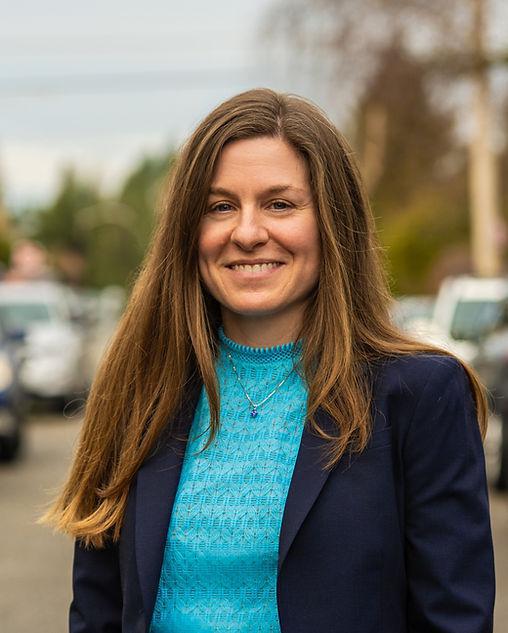
Mayor Katie Wilson on Sunday, Sept. 20, announced $1.7 million in new funding for independent neighborhood grocery stores, directed through the Office of Economic Development (OED). The money will pay for market studies in eight neighborhoods, a year of technical assistance for ten independently owned grocers and security upgrades for stores hit hard by retail theft.
The announcement comes as chain grocers pull back from the region. Kroger has announced the closure of seven Seattle-area stores since July 2025, including six Fred Meyer locations and one QFC, The Seattle Times reported. A Fred Meyer in Lake City shut down in October 2025, prompting state lawmakers to introduce bills aimed at helping neighborhoods that lose a grocery store, according to KUOW.
The program grew out of a pilot with Lam's Seafood Asian Market, which has served the Chinatown-International District since the 1990s. OED helped the business navigate permits and covered repair costs after break-ins, according to the city's announcement. Owner David Tran said the Rainier Valley site will bring culturally relevant foods to a community that lost its previous grocer.
"With support from the City of Seattle, we're excited to bring Lam's Seafood Asian Market to Rainier Valley and fill a grocery site that has been vacant for 8 years," Tran said in the announcement.
The Independent Grocers Alliance (IGA), a national trade group, will conduct the market analyses and provide technical assistance. The studies will measure uncaptured demand and identify which types of grocery retail fit each neighborhood's needs. IGA President and CEO John Ross said in a statement that a similar partnership with the City of Atlanta helped launch a new grocery store in an underserved area there.
Ten independently owned stores will receive a full year of operational training and funding for improvements. Priority goes to legacy grocers and stores in underserved neighborhoods, the city said. The specific cohort has not been selected.
Security upgrades represent the third piece. OED will partner with grocers and supermarkets experiencing high theft rates to fund one-time facility improvements based on design-based crime prevention principles. Seattle Police Department (SPD) crime data will help guide which stores receive funding.
Councilmember Rob Saka, who represents District 1, said the investment grew out of a Council budget action he supported. He named Delridge, South Park and Georgetown as neighborhoods where residents travel long distances to buy groceries. Councilmember Alexis Mercedes Rinck, a citywide member, also endorsed the initiative.
OED is still finalizing contracting, cohort selection and funding distribution for the security grants. The city said additional details will follow in coming months.