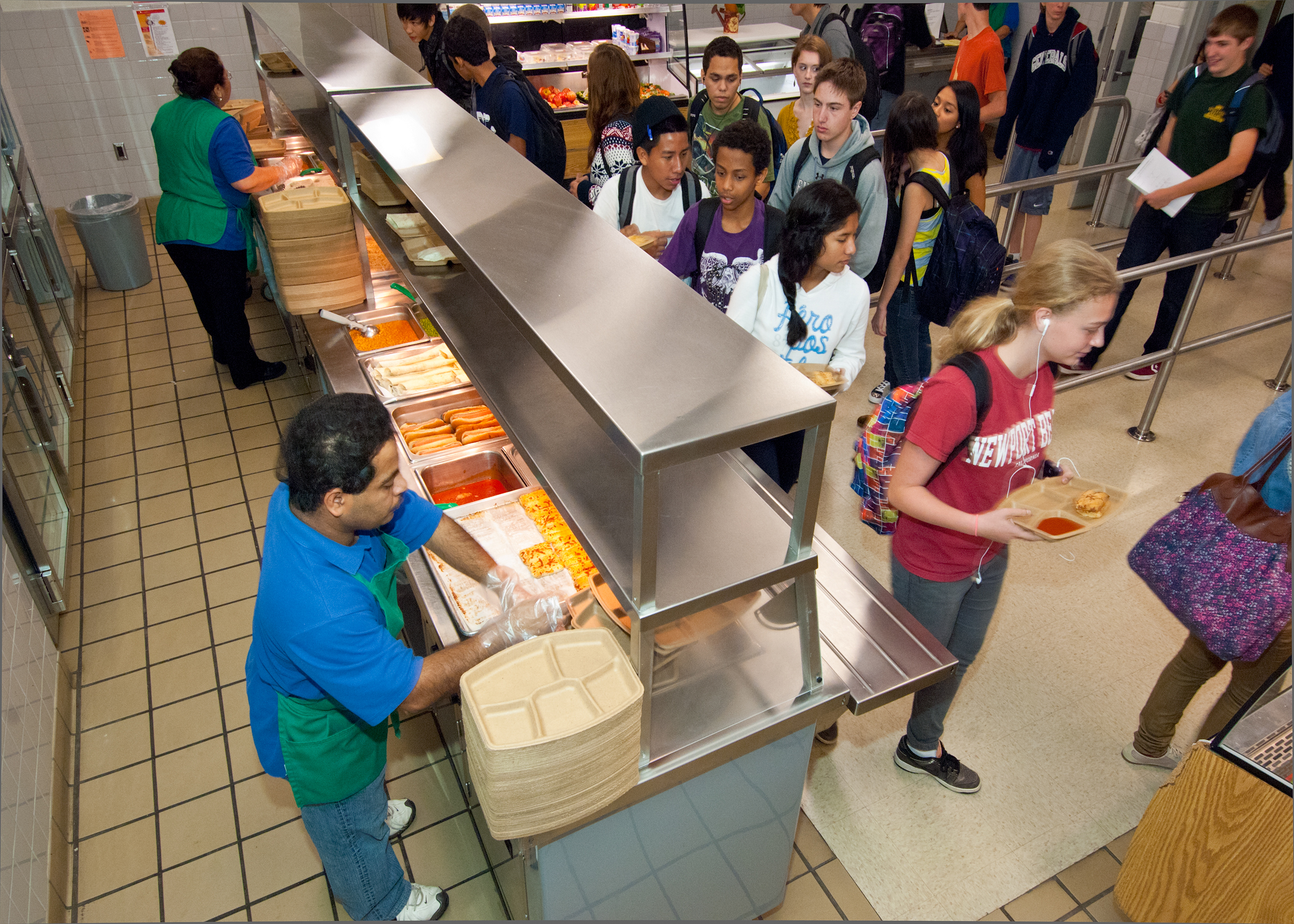
Students at south end schools including Rainier Beach High School, Cleveland High School STEM, Franklin High School, and Aki Kurose Middle School are expected to walk into their cafeterias in September and eat breakfast and lunch for free for the first time.
The city council identified south Seattle neighborhoods as disproportionately affected by the current gap in meal access.
The Seattle City Council voted 9-0 on Tuesday, July 28, to approve a plan providing universal free meals at all Seattle Public Schools starting this fall, closing a gap that left 53 schools without the benefit.
The vote also locked in $4 million from the Families, Education, Preschool, and Promise (FEPP) levy for six years of weekend and break food assistance for up to 5,000 food-insecure families.
The city council's announcement identifies more than 6,800 food-insecure students at those 53 schools who will gain access. Many of those schools sit in Rainier Valley, Beacon Hill, and Southeast Seattle, where families earn above the federal free-meal threshold of $42,900 for a household of four but well below Seattle's median household income of nearly $119,000.
"K-12 education is free and universal, and this September, the nutrition every child needs to learn will be, too," Mayor Katie Wilson said.
How it's funded
The funding picture has two pieces. The FEPP levy, a $1.3 billion property tax measure Seattle voters approved in November 2025, will pay approximately $4.74 million for universal meals in the 2027-28 school year and $4 million for the weekend/break voucher program over six years, according to the Seattle Times.
For this fall's 2026-27 school year, the city plans to use one-time general fund dollars.
That spending still requires a separate vote: the Finance, Native Communities, and Tribal Governments Committee, chaired by Councilmember Dan Strauss, is scheduled to vote on Tuesday, August 4, at 9:30 a.m.
The city's general fund faces a projected $175 million deficit. That gap was a central concern Mayor Wilson raised when the council first proposed using general fund dollars for the program.
The July 28 agreement describes the 2026-27 funding only as "one-time funds," leaving the specific source to the August 4 vote.
A turbulent week
The unanimous vote capped a sharp reversal. On Wednesday, July 22, the council's Select Committee voted 6-3 to delay universal meals by a year, according to the South Seattle Emerald.
Councilmembers Eddie Lin, Alexis Mercedes Rinck, and Rob Saka voted against the delay. Nearly 50 people testified in opposition. Six days later, Council President Joy Hollingsworth, Councilmember Dionne Foster, and Strauss co-sponsored the compromise that passed unanimously.
As we reported July 23, the reversal proposal set the stage for the July 28 vote.
Long-term risk
Beyond 2027-28, universal meals funding is expected to come from Washington state's 9.9% tax on households earning more than $1 million per year. That tax faces both a repeal measure on the November 2026 ballot (Initiative I-645) and an active legal challenge. If either succeeds, the program's long-term funding is unresolved.
What families should know
Families will still be encouraged to complete a meal eligibility application. Doing so allows SPS to collect federal and state reimbursement and helps determine eligibility for other student supports.
The district has not released a school-by-school list of the 53 schools gaining universal meals. Families seeking that breakdown can submit a public records request under RCW 42.56 at seattleschools.org.
Seattle Schools Week Ahead
Tuesday, August 4, 9:30 a.m. — Finance, Native Communities, and Tribal Governments Committee vote on general fund financing for 2026-27 universal school meals. This is the last step before fall meals are fully funded. Watch at seattle.gov/council.