Seattle paid Talkspace $104,500 every month to connect thousands of young people with mental health therapy, but only 442 received care during the 2025-26 school year.
An investigation first reported by Proof News and The Seattle Times found the city's contract with the telehealth company assumed 2,200 to 4,400 individuals would register over 21 months. Instead, 1,762 signed up and just one-quarter connected with a therapist. For some, that connection amounted to a single text message. The contract, worth more than $2 million, is the only one in the city's youth mental health initiative that pays a flat monthly fee regardless of usage.
The city signed the deal in 2024 without seeking competitive bids. Internal emails reviewed by the Times showed officials recognized early they were overpaying. In spring 2026, the city sought new proposals. Talkspace was the only applicant. The city agreed to pay up to $830,000 for one additional year, with a goal to serve 1,000 youth.
Leo Falit-Baiamonte, a 17-year-old senior at Nathan Hale High School and president of the Seattle Student Union, told the Times that Talkspace posters hang on classroom walls at his school but students want something different. "If you're meeting students where they're at, meet students inside schools, where they are the majority of the day," he said.
Councilmember Maritza Rivera, who chairs a committee overseeing the city's educational equity investments, called for accountability in a Sept. 22 statement. She said she would look for the Department of Education and Early Learning (DEEL) to explain how it plans to change the contracts. No other council member responded to the Times' questions about the program.
The investigation found no school-level breakdown of Talkspace usage. It is unknown whether south end schools like Rainier Beach High School, Cleveland High School or Franklin High School saw higher or lower uptake than north end campuses. Families can request that data from DEEL under Washington's Public Records Act (RCW 42.56).
SPS phases out K-2 iPads, caps screen time
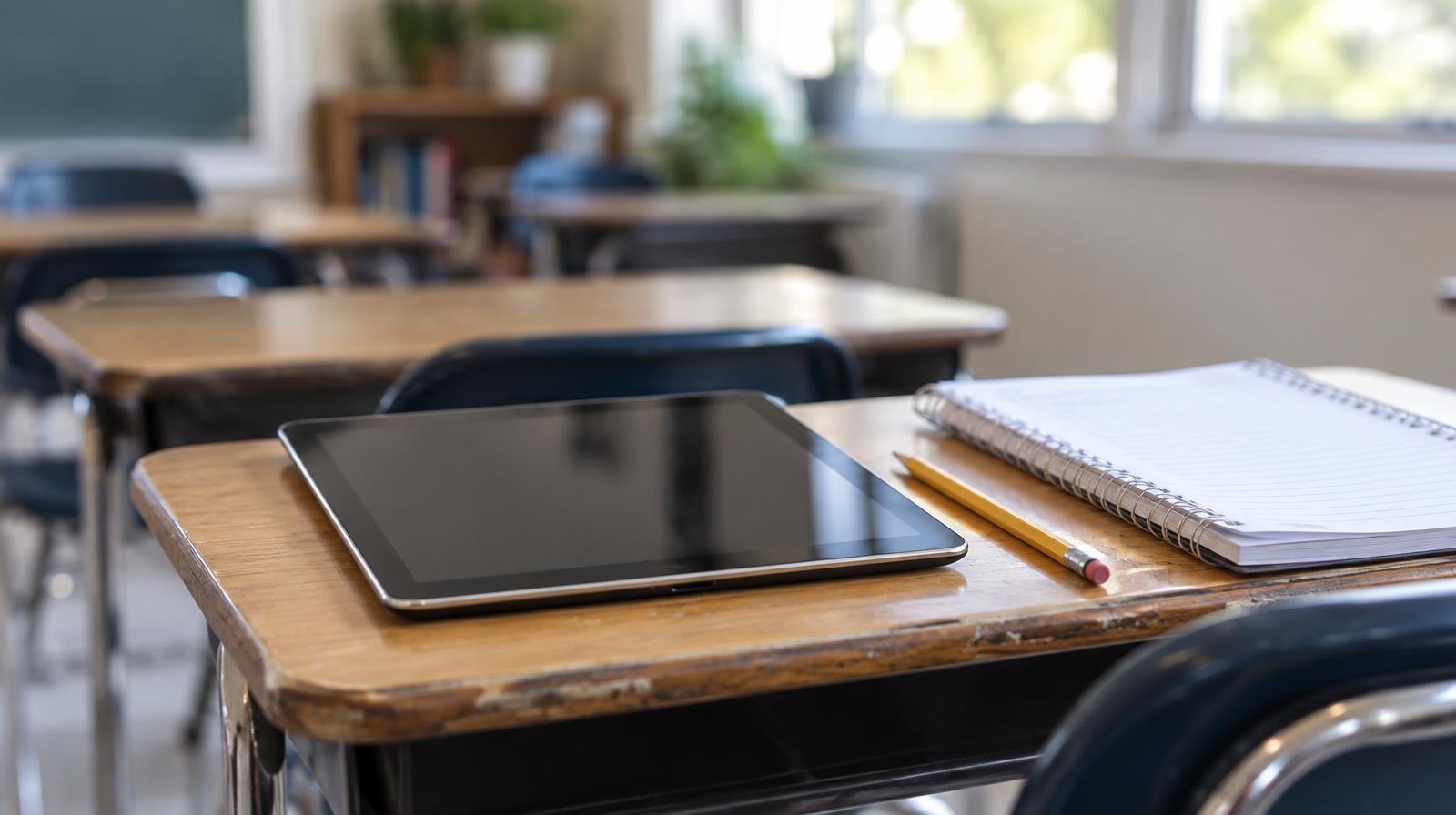
Superintendent Ben Shuldiner announced Sept. 21 that Seattle Public Schools will phase out individual iPad assignments for K-2 students and limit classroom screen time to 30 minutes or less per day.
By Jan. 4, 2027, all K-2 classrooms will shift to a model where iPads are available to borrow but are no longer assigned one-per-student. Shuldiner called the change "just the beginning of a conversation" on more intentional technology use.
"There's no reason why a Kindergarten kid needs to have an iPad every day in their hand," Shuldiner said at the announcement, as reported by Seattle's Child.
Dr. Mike Starosky, assistant superintendent of academics, said some educators could implement the change immediately while others will need the gradual timeline through January. Shuldiner estimated savings could range from hundreds of thousands to a couple of million dollars over the next few years, though he had no firm figures. He noted technology funding comes largely from voter-approved capital levy dollars that cannot simply be redirected to hiring.
No source has addressed what the iPad phase-out means for K-2 students with Individualized Education Programs (IEPs) or 504 plans who may rely on devices for assistive technology.