Seattle City Light is powering Washington's first all-electric bus facility, a partnership that could shape how the municipal utility manages grid demand for years.
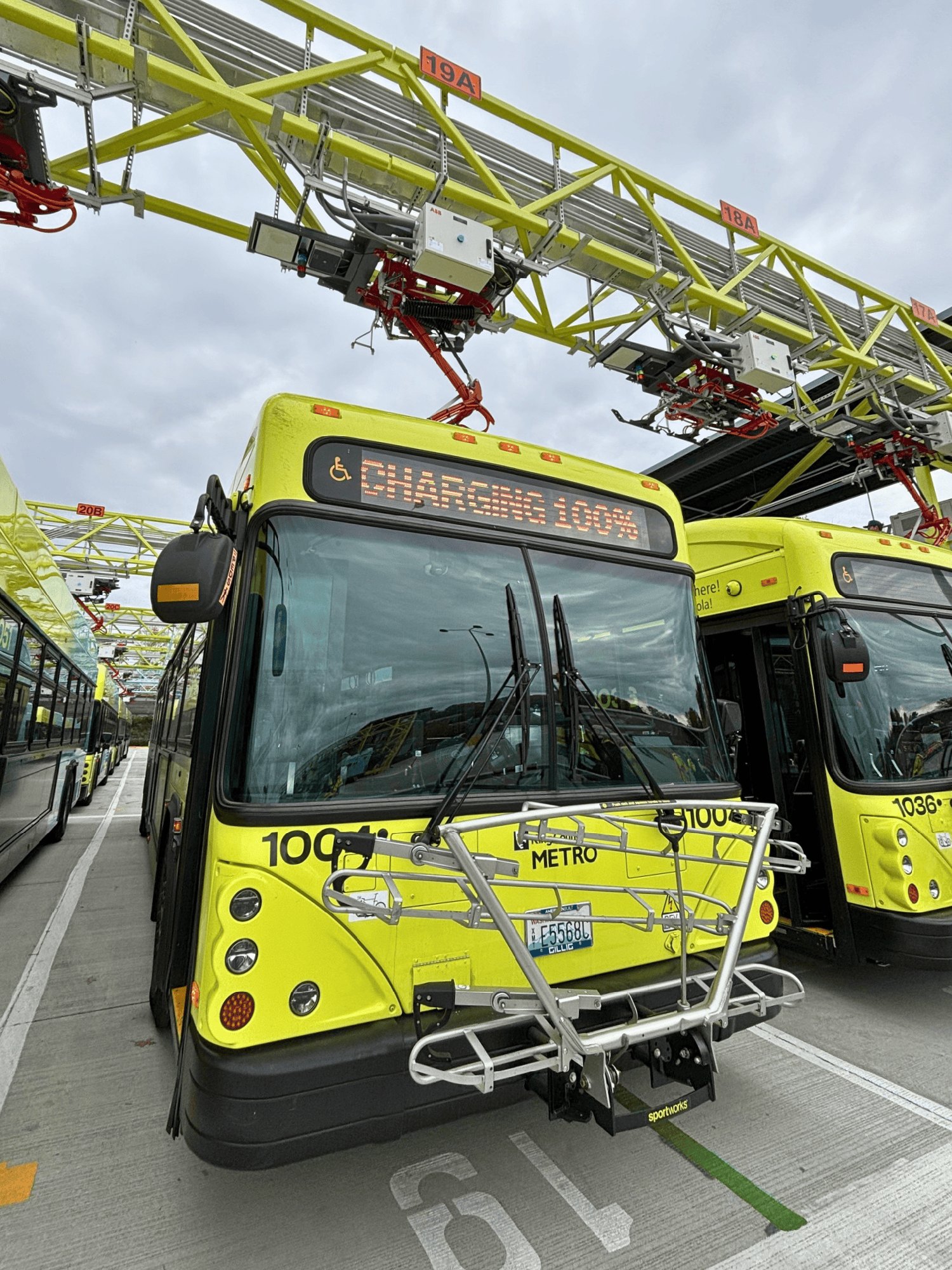
The new Tukwila Base, a 544,000-square-foot facility built with King County Metro, charges more than 120 battery-electric buses made by New Flyer and GILLIG. It is the only 100% battery-electric bus base in Washington and one of the largest in the country, according to King County Metro.
Metro purchases carbon-neutral electricity from City Light to run the base, according to City Light. The arrangement reduces Metro's exposure to fluctuating fuel prices.
After a summer of testing, the base is running Routes 105, 128, 156, 184 and the RapidRide F Line serving communities in Seattle and south King County.
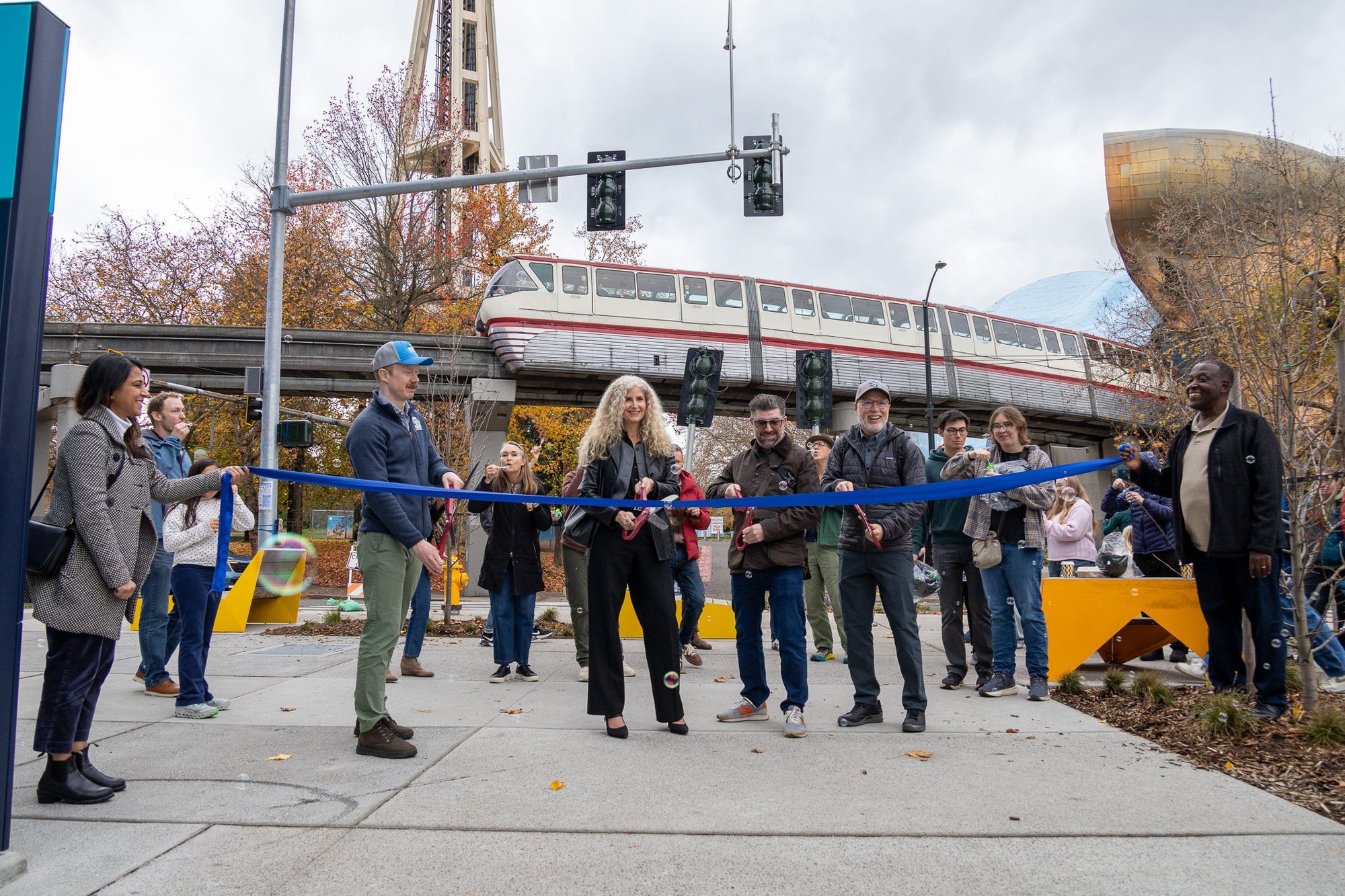
Metro General Manager Michelle Allison and representatives from construction companies gathered at the base on Nov. 4 to mark the end of construction. McKinstry served as general contractor.
"Tukwila Base is the future of clean, regional transit … and is the next step in our journey toward completely zero-emission bus service," Allison said.
David Logsdon, City Light's Director of Electrification and Strategic Technology, said the project will guide the agencies' next steps. "The lessons learned here will help guide future transit electrification projects across our region," Logsdon said.
The two agencies have worked together on electric transit since 1973, when an oil embargo drove up gas prices and pushed them to expand the region's trolley network. By 2000, City Light had built more than 40 substations to power electric transportation. In 2021, the agencies shifted to battery-electric buses. A test facility at South Base helped the agencies learn how to operate a charging depot. That experience shaped the design of Tukwila Base.
The electric fleet is generating revenue, too. Metro's close to 300 zero-emission buses, including 174 electric trolleys, produced almost $1.5 million in clean fuel credits through Washington's Clean Fuel Standard, according to a September Metro post. The agency expects roughly $1 million a year in credit revenue going forward, though prices fluctuate.
Allison said Metro has cut bus fleet emissions 45% since 2024 through electric buses, trolleys and renewable fuels. According to Metro's Next Stop plan, about one-third of the bus fleet will be electric trolleys or battery-electric buses by 2038.
Operating Tukwila Base will inform how the agencies approach more base conversions in coming years. City Light will work to scale electrical grid capacity. Metro will use the South Base facility to test whether new technology meets service needs.