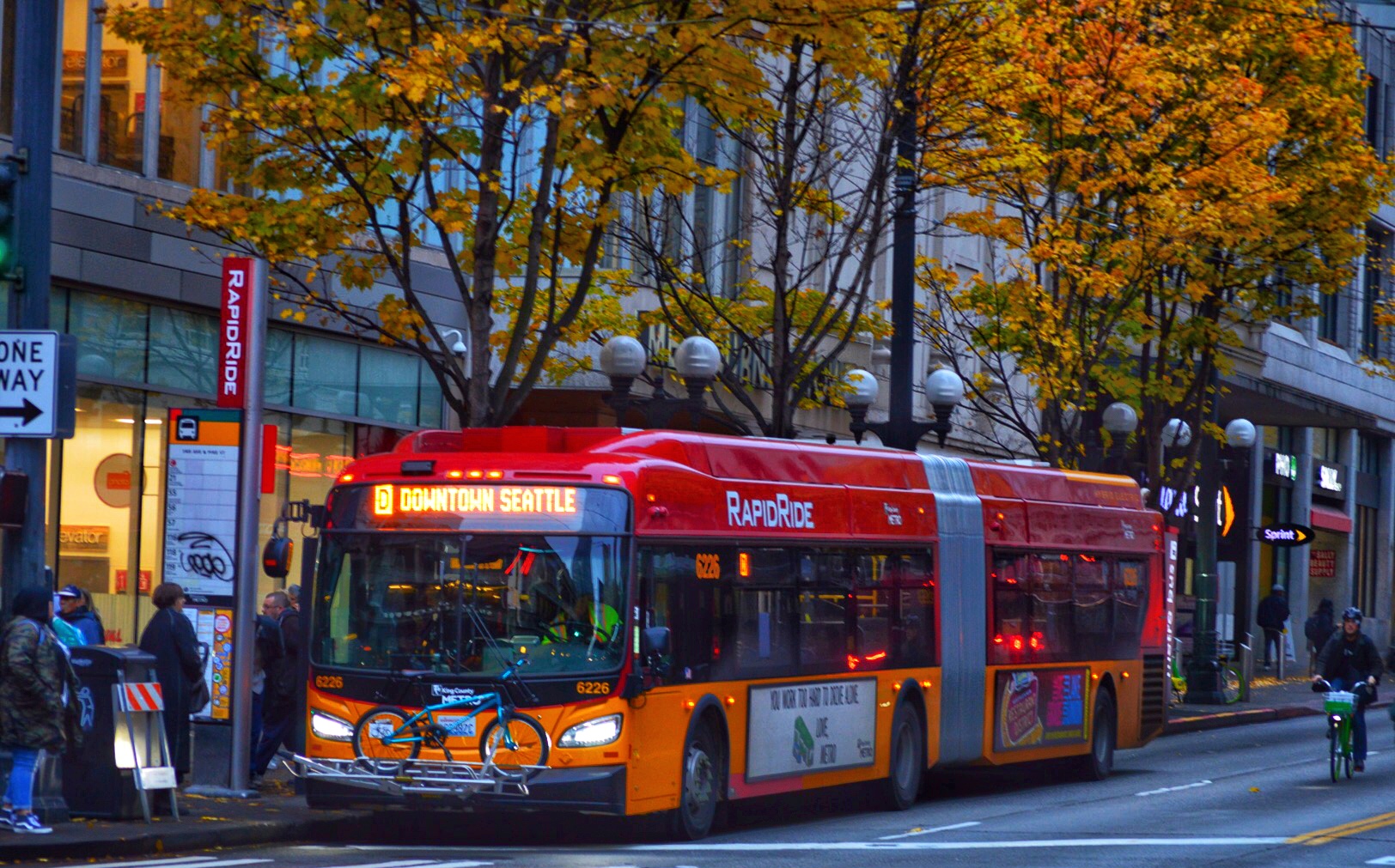
Bus riders in Ballard and along the D Line corridor could see more frequent weekend service or lose nearly half a billion dollars in transit investment over the next decade.
The outcome depends on a fight at City Hall heading toward a final public hearing July 13.
The Select Committee on Seattle Transportation Benefit District heard competing amendments to the proposed 2026 Seattle Transit Measure on July 6, and scheduled that July 13 hearing as the last major opportunity for public input before the council must finalize the package for the November 3 ballot.
Ballard has no light rail alternative. Sound Transit's board voted to defer the Ballard Link Extension indefinitely while addressing a projected $34.5 billion shortfall in the ST3 program. That makes city-funded bus service the primary transit lifeline for the neighborhood.
SDOT has warned that simply renewing the current 0.15% sales tax rate would require service cuts due to inflation. It would take a 0.223% renewal just to hold existing investments constant, according to SDOT data presented to the committee. Under Mayor Wilson's full proposal, the D Line to Ballard and Crown Hill would see weekend frequency improve from every 15 minutes to every 10. The D Line is the city's third-highest ridership route.
Councilmember Dan Strauss, who represents Ballard in District 6, has told the committee that the neighborhood's transit access doesn't match its growth: "The closest to Ballard that the most frequent transit gets is Leary and 15th, which is in an industrial zone. It's not near housing, it's not near the center of Ballard."
Mayor Wilson proposed renewing and doubling the city's transit sales tax from 0.15% to 0.3%, generating roughly $138 million per year over 10 years. Under her plan, city-funded bus service hours at King County Metro would jump from 176,000 to approximately 280,000 annually, a 60% increase allowing frequency boosts on 10 to 15 routes citywide. The cost to the median two-person Seattle household: about $58 a year, up from $29.
District 7 Councilmember Bob Kettle wants a smaller increase. His amendment would raise the tax by just 0.05% to a total of 0.2%, reserving the remaining 0.1% in sales tax authority for the council to tap later without voter approval. According to The Urbanist's analysis, that gap would mean nearly $500 million less for transit over 10 years and 1.1 million fewer service hours.
"Every day, I hear from neighbors about how living in Seattle is becoming less and less affordable," Kettle said. "My alternative offers a pragmatic increase in transit funding for bus service and ORCA cards while preserving the flexibility we need for emerging transit-related investments."
Kettle's proposal would maintain 22,000 free ORCA passes and eliminate capital spending he says overlaps with the $1.55 billion Transportation Levy voters approved in 2024.
District 5 Councilmember Debora Juarez introduced Amendment 20 at the same Monday, July 6 session. The amendment expands how infrastructure maintenance and capital improvement funds can be spent, opening the door to ADA upgrades, accessible bus stops, pedestrian connections, and wayfinding improvements.
Juarez, who has lived with multiple sclerosis for more than 25 years, noted that less than 4% of the $1.4 billion package goes to transit infrastructure serving people with disabilities, the elderly, and vision-impaired riders. She developed the amendment based on direct feedback from the Seattle Disability Commission and the Seattle Pedestrian Advisory Board.
The July 13 public hearing has two sessions: remote public comment at 9:30 a.m. and in-person comment at 5 p.m. The Select Committee is scheduled to vote on amendments and the final package July 16.
The council must approve the measure by the August 4 primary deadline to place it on the November 3 ballot.
The current transit measure passed in 2020 with 80% of the vote and expires in April 2027. King County Metro faces its own financial pressure: a presentation to the King County Council noted the agency could face service reductions by 2028 as expenditures outpace revenue and Metro draws down fiscal reserves.