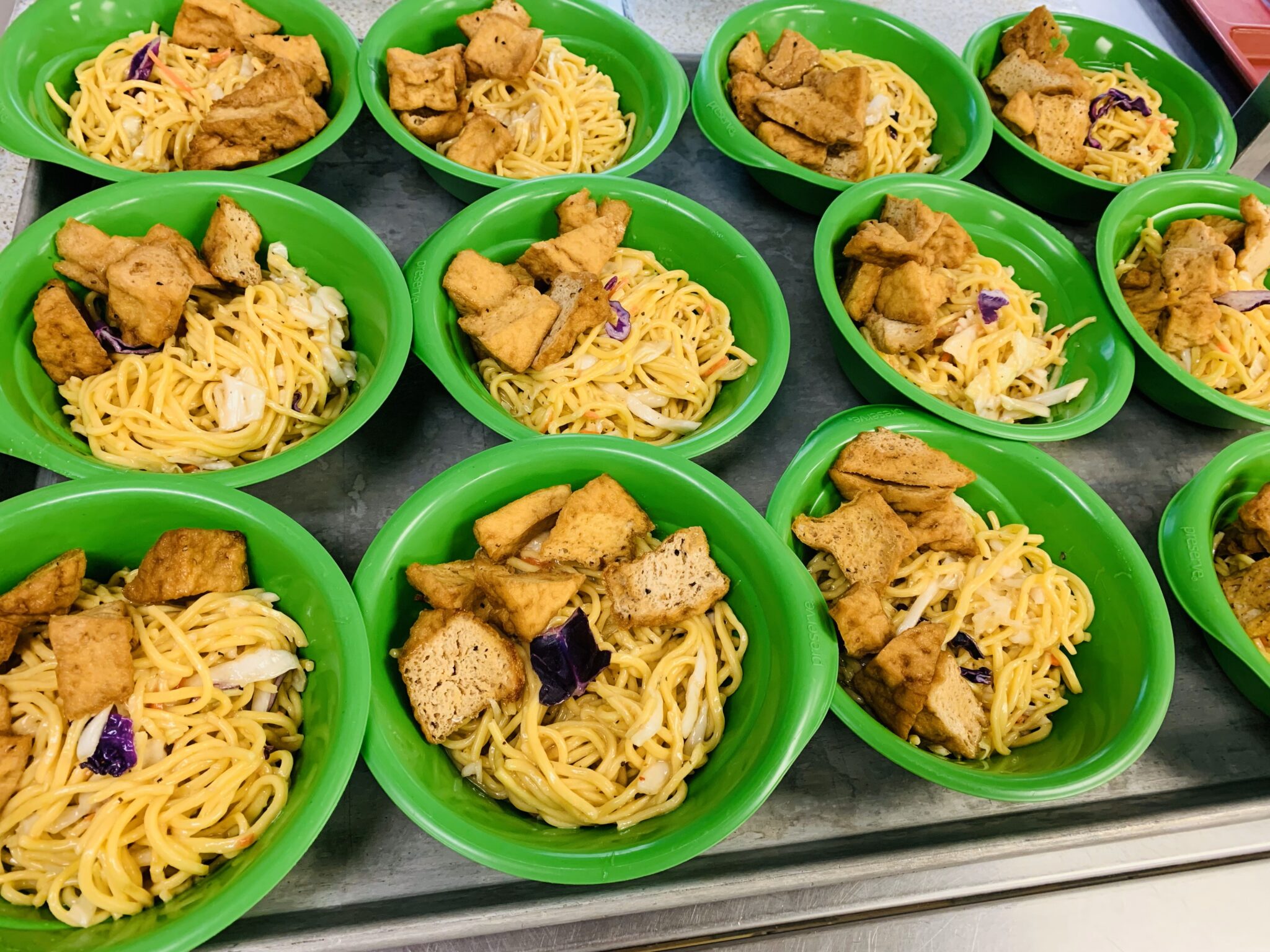
The free breakfast and lunch that was supposed to arrive at 53 Seattle public schools this fall won't be there when students sit down in September. Neither will the preschool vouchers planned for families on the Seattle Preschool Program waitlist.
Council President Joy Hollingsworth introduced 11 amendments to the $1.3 billion Families, Education, Preschool, and Promise (FEPP) Levy implementation plan on July 8. Two of those amendments directly affect south end families: a one-year pause on the Universal School Meals Program and a one-year delay of the SPP Waitlist Voucher Pilot.
What changed
Under Mayor Katie Wilson's original plan, announced April 29, free meals would have expanded to up to 53 school sites starting this fall, closing the food access gap for an estimated 6,800 students. The mayor's office projected families would save $1,200 per child each year. The preschool program was set to grow to more than 160 classrooms serving more than 2,600 children.
Amendment 6, co-sponsored by Hollingsworth and Councilmember Dionne Foster, delays the meals program until the 2027-28 school year, freeing $3 million. Of that, $500,000 per year over the levy's six-year life will fund food vouchers distributed by school staff to low-income families over weekends and school breaks.
Amendment 4, also co-sponsored by Foster and Hollingsworth, pauses the preschool voucher pilot for 2026-27 and redirects its $927,710 first-year budget to the same weekend and break food assistance. Before any money flows, the Department of Education and Early Learning must submit a demographic assessment of waitlist trends to the council.
What happens next
None of this is final. The Select Committee on the FEPP Levy is scheduled to take a final vote on the full amendment package on Tuesday, July 22. The FEPP Levy passed in November 2025 with 80% voter approval, according to the Seattle Times.
Why: the Millionaires Tax gamble
Hollingsworth cited fiscal uncertainty around Washington state's new Millionaires Tax, a 9.9% levy on income above $1 million that faces a constitutional legal challenge filed in June 2026.
She said the city needs time to see whether that revenue survives the courts and the ballot box before committing to new programs. A council analysis also flagged the risk of drawing down reserve funds for the meals program and a lack of explicit equity targets.
Hollingsworth called the package a "really intentional conversation about equity." She helped shape the city's $30 million Food Action Plan in 2025 and has long advocated for food access.
The 53 schools slated for free meals are concentrated in Seattle's south end, where Title I schools like Rainier Beach High School, Cleveland High School STEM, Aki Kurose Middle School, and Beacon Hill International School serve predominantly low-income students and students of color. The city has not publicly released the full list of 53 sites.
The preschool delay also lands unevenly. Half of Black children and 49% of low-income children entering Seattle kindergarten in September 2025 did not meet readiness standards, according to WaKIDS data. SPP students met those standards at a 66% rate, well above the citywide average. The Trump administration closed the Seattle Head Start regional center earlier this year, reducing available preschool slots in the region.
As of publication, Mayor Wilson's office, DEEL Director Dwane Chappelle, and south end organizations including the Rainier Beach Action Coalition and El Centro de la Raza have not publicly commented on the amendments.
Seattle Schools Week Ahead
- Tuesday, July 22 — Select Committee on the FEPP Levy, final vote on implementation plan amendments. Check seattle.legistar.com for time and agenda. This vote determines whether the meals program and preschool voucher pilot proceed or are delayed one year.