Vince Vu overstocked his shelves, hired extra help, and waited for the World Cup rush that never came.
His Vietnamese-American bakeshop, Anh Oi Bake Shop in Japantown, recorded its worst sales day ever on Monday, June 22, after hundreds of thousands of visitors began arriving in Seattle for the FIFA World Cup.
The crowds walked past his door on the way to Lumen Field, then kept walking.
"I think there's very little overlap between sports tourism and culturally specific, culturally resonant businesses," Vu told the South Seattle Emerald. "Bars? Absolutely. Fast, casual American dining like pizza or burgers? Slam dunk … I never stood a chance, y'all."
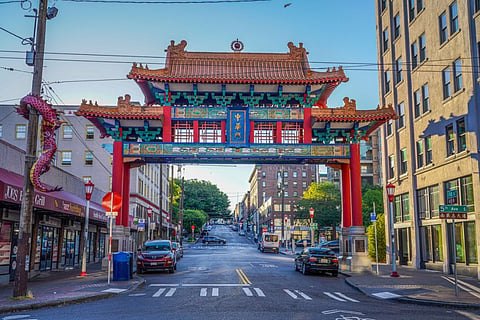
He is not alone. Across the Chinatown-International District, the pattern repeats: regulars stay home to avoid traffic, soccer fans bypass culturally specific restaurants for bars and burger joints, and businesses that spent two years preparing for a boom are absorbing a bust.
Oasis Tea Zone, a boba shop in the CID, anticipated daily sales of $8,000 to $10,000 during the tournament. Actual revenue has stayed at the usual $3,000 to $6,000 per day, with no bump on game days, according to manager Antonio Ortiz.
Chung Chun Rice Dog Mochinut had served only 22 customers by midday during the Bosnia-Herzegovina vs. Qatar match at Lumen Field, the Seattle Times reported. The store usually serves 80 to 100 people daily.
A+ Hong Kong Kitchen sees a 15% sales bump on days when Seattle hosts a match, manager Tiffany Chim told the Emerald, but sales drop below average on days when games are played in other host cities.
One block tells the whole story of who benefits. Joe's Bar & Grill, at Fifth Avenue and King Street, posted record sales after the U.S. vs. Australia match on June 19, according to general manager Billy Adams. Anh Oi Bake Shop, a short walk away, posted its worst day ever.
This has happened before. When Seattle hosted the 2023 MLB All-Star Game, the city projected a $50 million economic boost. CID businesses saw empty streets. Korean BBQ restaurant Baegopa staffed up, bought extra food, and threw it away, the Seattle Times reported.
CID advocate Matt Chan described the neighborhood during that event as "like a ghost town."
The CID Small Business Relief Team and Seattle's local World Cup organizing committee, SeattleFWC26, spent nearly two years helping businesses prepare, including surveying owners, funding a neighborhood liaison, and translating informational pamphlets into Chinese and Vietnamese. The city disclosed at a May 2026 Council meeting that it was spending at least $32 million on World Cup preparation.
No neighborhood-level breakdown of that spending has been released. (Residents can request one under Washington's Public Records Act, RCW 42.56, at seattle.gov/cityrecords.)
Tuyen Than, executive director of the CID Business Improvement Area, told the Seattle Times that regulars are avoiding the area because of traffic and crowds. Overall CID foot traffic is up 10% during the tournament, she said, but areas farther from the stadium, like Little Saigon, are not seeing any benefit.
Belgium faces Senegal at Lumen Field on Wednesday, July 1. If the U.S. men's team beats Bosnia-Herzegovina in Santa Clara on Wednesday, a USA Round of 16 game could come to Lumen Field on Monday, July 6. The CID's "Kick It In the CID" Stamp Book program, which offers prizes including airline tickets and a Nintendo Switch 2 for spending $10 or more at 72 participating businesses, runs through Monday, July 6.