Monthly sewer bills for Seattle households will jump from about $63 to about $71 starting in 2027.
King County Council voted unanimously June 24 to approve a 12.75% rate increase that applies to all King County sewer customers.
The $8-per-month hike is the first in what the Wastewater Treatment Division's current plan projects as five consecutive years of double-digit increases. If that trajectory holds, monthly sewer rates could hit $126 by 2032, roughly double what customers pay now.
"When I shared that with a group of constituents in Wedgwood at a neighborhood meeting, the jaws dropped, jaws dropped, and gasps were heard," said Councilmember Ron Dembowski, who represents District 1 including North Seattle. "And that's in the most progressive tax-friendly part of my district."
The rate increase will generate an estimated $676.2 million in 2027 revenue, according to the council's adopted rate ordinance.
That money funds a share of the $14 billion King County's Wastewater Treatment Division says it needs over the next decade to modernize infrastructure built in the 1960s and comply with federal regulations.
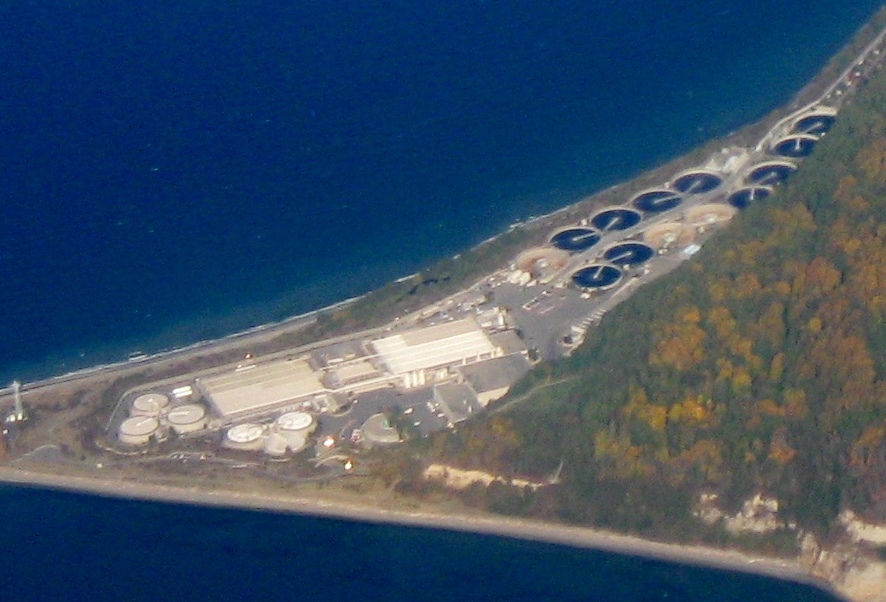
For Magnolia residents specifically, the revenue helps fund compliance at the West Point Treatment Plant in Discovery Park, which must meet National Pollutant Discharge Elimination System permit requirements. It also supports cleanup at the Lower Duwamish Waterway Superfund site, according to King County's Department of Natural Resources and Parks.
About $7 billion of the decade-long cost is tied to a federal consent decree requiring King County to reduce combined sewer overflows by 2037.
Council Chair Sarah Perry said she does not view rate increases of this magnitude as sustainable. Councilmember Claudia Balducci, who serves on the Regional Water Quality Committee, said the council and its partner jurisdictions agree the rate trajectory is alarming but that failing to invest would have dire consequences for water quality and public health.
King County Executive Girmay Zahilay has directed the Wastewater Treatment Division to develop rate relief approaches for low-income customers, though no specific assistance program has been announced. The county said it has saved ratepayers $162 million over the past decade through low-interest state revolving fund loans.
The sewer increase compounds other utility cost pressures. Puget Sound Energy has proposed a separate rate hike that would raise typical residential electric bills by about $51 per month over current rates by 2029.
No date has been set for the 2028 rate decision. Under the division's current plan, projected monthly rates would climb to roughly $80 in 2028, $90 in 2029, and $101 by 2030.